What is Maha Shivaratri and Why Does It Matter Spiritually?
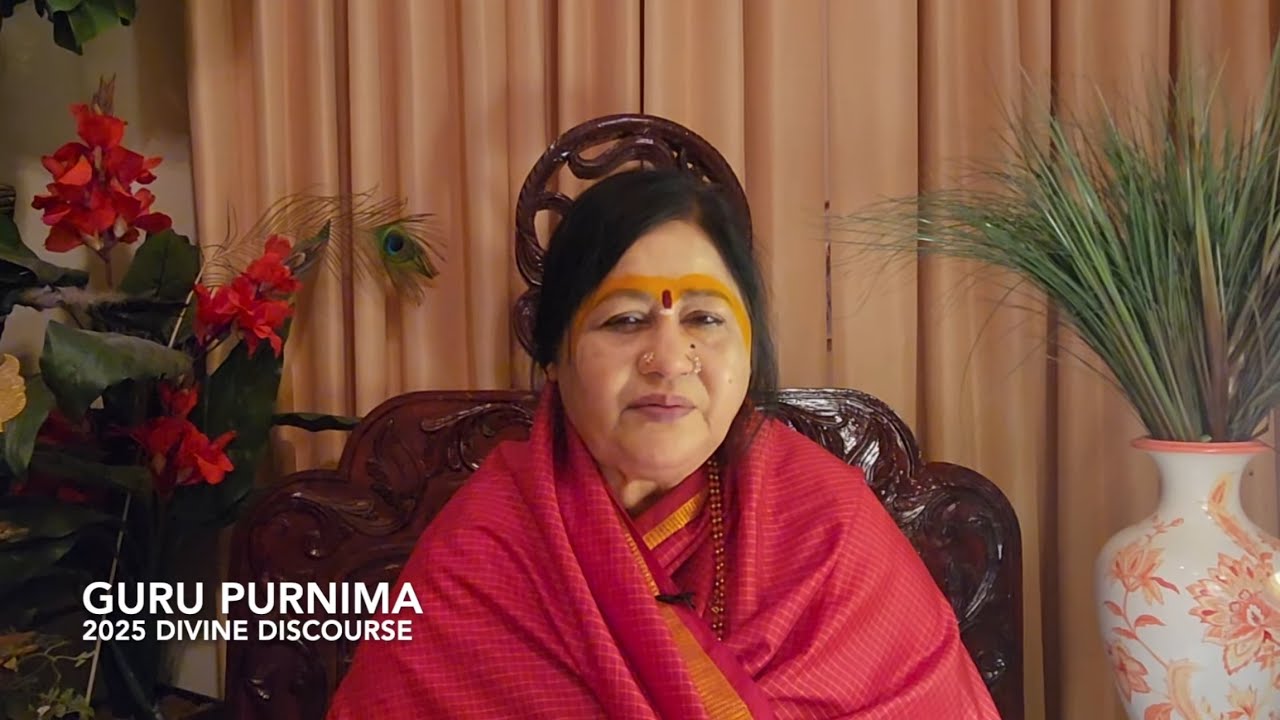
Maha Shivaratri, the "Great Night of Shiva," stands as one of the most sacred observances in the Hindu spiritual calendar. According to Sri Karunamayi's discourse, this night holds extraordinary power for those seeking spiritual awakening and liberation. The term itself invokes the cosmic significance of Lord Shiva—the destroyer of ignorance and the supreme consciousness that pervades all existence. During Maha Shivaratri, the veil between the material and divine realms becomes thin, creating an optimal window for meditation, prayer, and inner transformation.
Sri Karunamayi emphasizes that Maha Shivaratri is not merely a cultural celebration but a profound spiritual opportunity. The night amplifies one's capacity to connect with the formless, transcendent aspect of divinity—what Hindu philosophy calls Nirakara Brahman, the divine without form. On this sacred night, devoted practitioners align their consciousness with cosmic forces that facilitate spiritual growth and karmic purification.
How Does Shiva Embody Both Form and Formless Reality?
Central to Sri Karunamayi's teaching is the paradoxical nature of Shiva—simultaneously manifest as the Shiva Lingam (the symbolic form) and as the infinite, formless Brahman. The Lingam itself represents the union of the manifest and unmanifest: its cylindrical form symbolizes the infinite potential of consciousness, while its base represents the stable foundation of existence. During Maha Shivaratri, devotees worship Shiva in both these modes—recognizing the divine as both transcendent truth and immanent presence within all creation.
Sri Karunamayi teaches that understanding this duality is essential to Shiva worship. The formless aspect of Shiva represents the ultimate reality beyond all names, forms, and qualities—pure consciousness itself. Yet this same consciousness manifests as the entire universe in all its complexity and beauty. Through reverent contemplation during Maha Shivaratri, one awakens to this fundamental truth: the infinite dwells within the finite, and the transcendent animates the material world.
What Sacred Rituals Define the Maha Shivaratri Observance?
Sri Karunamayi outlines specific practices that amplify the spiritual potency of Maha Shivaratri. The primary ritual involves keeping vigil throughout the night—maintaining wakefulness and awareness while others sleep. This Jagaran (night vigil) is not mere insomnia but a disciplined practice of channeling mental energy toward the divine. By remaining awake and alert, practitioners resist the gravitational pull of sleep and inertia, instead directing their consciousness toward higher truths.
Central to the observance is the chanting of sacred mantras, particularly the Panchakshari Mantra—"Om Namah Shivaya"—which translates to "I bow to Shiva" or "Shiva is my true nature." Sri Karunamayi emphasizes that this five-syllabled mantra encodes the fundamental structure of reality. When chanted with sincere devotion and correct pronunciation, it creates vibrational resonance that aligns the practitioner's being with Shiva consciousness. The repetition of this mantra on Maha Shivaratri night purifies the mind and accelerates spiritual development.
Fasting and dietary restriction form another cornerstone of the observance. Sri Karunamayi explains that during Maha Shivaratri, the body's digestive fire burns less efficiently due to cosmic conditions; therefore, consuming light foods or abstaining from food altogether prevents the dissipation of vital energy that would normally be spent on digestion. This conservation of energy redirects it toward meditation and internal purification. The practice of fasting subdues the desires and impulses of the senses, bringing the mind under conscious control.
Bathing in sacred waters, anointing the Shiva Lingam with water, milk, honey, and yogurt—a practice called Abhisheka—also features prominently. Sri Karunamayi notes that these ritual actions are not mere ceremonial formalities but methods of establishing conscious contact with the divine. Each element carries symbolic meaning: water represents purification, milk symbolizes nourishment, and honey signifies sweetness of devotion. Through these offerings, the devotee acknowledges the sacred within creation and invokes blessings for spiritual and material well-being.
How Does Sincere Devotion Differ from Mere Ritual Performance?
Sri Karunamayi stresses a crucial distinction that separates authentic spiritual practice from empty ritualism. The heart—the seat of genuine emotion and sincere intention—must accompany all external acts. One may perform every ritual perfectly, chant every mantra correctly, and fast with discipline, yet if the heart remains closed and the intention impure, the spiritual fruits will not manifest. Conversely, even simple acts performed with wholehearted devotion and love generate profound spiritual transformation.
Sri Karunamayi teaches that Bhakti—genuine devotion—involves complete surrender of the ego to the divine. It means offering one's entire being—mind, intellect, emotions, and will—at the feet of Lord Shiva. On Maha Shivaratri, when external disciplines (fasting, vigil, chanting) are combined with internal purity and sincere longing for union with the divine, the night becomes a crucible for spiritual rebirth. The external practices serve as vehicles for the inner awakening that is the true goal.
What Are the Transformative Benefits of Maha Shivaratri Observance?
Sri Karunamayi articulates the multifaceted benefits that accrue to sincere practitioners. On the spiritual level, observing Maha Shivaratri with dedication accelerates the dissolution of karmic obstructions. The intense spiritual energy present on this night acts as a catalyst, hastening the purification process that would otherwise take much longer. Past actions that normally generate consequences can be neutralized through sincere repentance, prayer, and spiritual practice on this auspicious night.
Beyond individual purification, Sri Karunamayi emphasizes that sincere observance of Maha Shivaratri generates blessings for all humanity. Spiritual practitioners who engage in dedicated worship become conduits for divine grace that flows not only to themselves but radiates outward, benefiting their families, communities, and eventually the entire world. This principle reflects the understanding that all consciousness is interconnected; individual spiritual elevation contributes to collective evolution.
At the psychological level, the practices associated with Maha Shivaratri—fasting, meditation, mantra chanting—calm the turbulent mind and bring clarity to perception. The habitual patterns of thought that normally bind consciousness begin to loosen. Mental agitation subsides, revealing the peaceful, luminous awareness that underlies all experience. Practitioners often report profound inner peace, enhanced intuition, and a palpable sense of connection to something greater than the separate self.
Sri Karunamayi also notes the material benefits that flow from sincere spiritual practice. As the mind purifies and aligns with divine consciousness, the quality of one's choices, relationships, and actions improves. Obstacles that seemed insurmountable begin to dissolve. The universe, responsive to the frequency of one's consciousness, arranges circumstances and opportunities that support one's highest good. Thus, spiritual elevation and material well-being are not opposing forces but naturally complementary.
What Is the Deeper Meaning of Worshipping Shiva?
Sri Karunamayi teaches that Shiva worship, especially during Maha Shivaratri, is ultimately the worship of consciousness itself—the eternal, unchanging awareness that witnesses all change. Shiva is not a being separate from oneself but the very essence of one's true nature. To worship Shiva is to remember and reverence the divine consciousness that has always been one's deepest self.
The symbolism surrounding Shiva—his third eye (representing inner vision), his serpent adornment (representing kundalini energy and transcendence of duality), his cosmic dance (representing the creation and dissolution of universes)—all point to profound truths about the nature of reality and consciousness. When one engages with these symbols during Maha Shivaratri, contemplating their meaning while maintaining a devotional heart, the boundaries between symbol and reality begin to dissolve. The outer form becomes transparent to the infinite consciousness it represents.
Where to Go From Here
The teachings of Sri Karunamayi on Maha Shivaratri invite readers to examine their own relationship with spiritual practice. Whether one observes Maha Shivaratri or not, the principles underlying the observance remain eternally relevant: the integration of sincere devotion with disciplined practice, the recognition of the sacred as both transcendent and immanent, and the understanding that spiritual development benefits not only oneself but all beings. Those drawn to this path might begin by exploring mantra repetition, meditation, and the cultivation of genuine devotion in daily life. The specific practices associated with Maha Shivaratri—fasting, vigil, ritual—can be adapted to individual circumstances while maintaining their essential purpose: the purification of consciousness and the awakening to one's divine nature.