The Mirror of Experience: Unraveling the Self
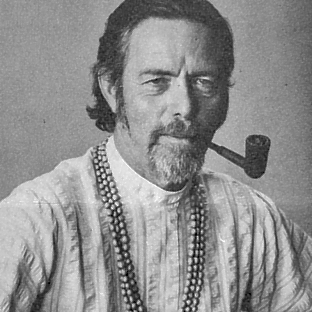
Alan Watts's assertion that "everything you experience is yourself" invites us to reconsider the nature of our perceptions and interactions with the world. This profound statement suggests that our experiences are not merely external events but reflections of our inner landscape. Understanding this concept can lead to a transformative realization about the interconnectedness of self and experience, urging us to explore the depths of our consciousness and the essence of our being.
In a world often dominated by dualistic thinking—where the self is seen as separate from the environment—Watts's words challenge us to dissolve these boundaries. By recognizing that our experiences are intrinsically linked to our perceptions, we begin to see that the external world is a canvas upon which our inner thoughts, emotions, and beliefs are projected. This realization not only deepens our understanding of ourselves but also fosters a sense of unity with all that exists, inviting us to embrace the totality of our experiences.
The image / the metaphor
The imagery in Watts's quote evokes a sense of reflection, akin to gazing into a mirror that reveals not just our physical appearance but the very essence of our being. The verb "experience" suggests an active engagement with the world, a dynamic interplay between the self and the surrounding environment. This notion of experience as a reflection implies that our perceptions are colored by our thoughts, emotions, and beliefs, creating a tapestry woven from the threads of our inner lives.
In the speaker's tradition
Alan Watts, a prominent figure in the Zen tradition, draws upon concepts such as sunyata (emptiness) and prajna (wisdom) to articulate the essence of his teachings. The idea that "everything you experience is yourself" resonates with the Zen understanding of non-duality, where the distinction between self and other dissolves. In this context, the self is not a fixed entity but a dynamic process, constantly shaped by our interactions with the world around us.
In the Zen text "The Heart Sutra," the concept of emptiness is central, emphasizing that all phenomena are interdependent and devoid of inherent existence. This aligns with Watts's assertion, as it suggests that our experiences are not isolated events but rather expressions of a greater whole. By embracing this understanding, we can cultivate a sense of compassion and interconnectedness, recognizing that our experiences are not merely personal but part of the shared human experience.
Living the teaching
Consider a modern scenario where this teaching manifests: a person navigating a challenging work environment. As conflicts arise, they might initially perceive these challenges as external obstacles. However, by reflecting on Watts's insight, they can begin to see these experiences as opportunities for self-discovery. Each interaction becomes a mirror, revealing aspects of their own character, beliefs, and emotional responses, ultimately leading to personal growth and a deeper understanding of their role within the workplace.
In the realm of relationships, this teaching can be particularly illuminating. When faced with misunderstandings or conflicts, one might feel tempted to blame the other person for their discomfort. Yet, by applying Watts's wisdom, they can shift their perspective, recognizing that their reactions are rooted in their own perceptions and experiences. This shift fosters empathy and compassion, allowing for more meaningful connections and a deeper appreciation of the shared human experience.
A reflection
As we contemplate the profound implications of Watts's assertion, we are invited to engage in a contemplative inquiry: How do my experiences reflect my inner beliefs and perceptions? By exploring this question, we can begin to unravel the layers of our consciousness, gaining insight into the ways in which our inner world shapes our interactions with the external realm. This journey of self-discovery not only enhances our understanding of ourselves but also deepens our connection to the world around us.



Join the BrightStar Community
Stay connected with daily inspiration, event announcements, and community wisdom