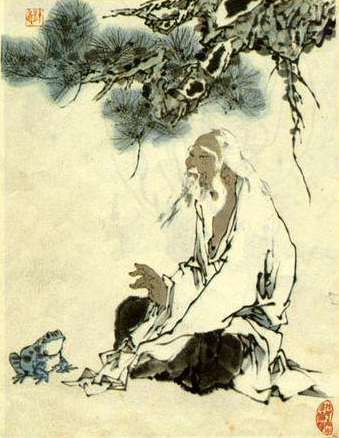
Flowing with the Current: The Tao of Belonging
Chuang Tzu's assertion that "The Way is to man as rivers and lakes are to fish" invites us to consider the profound interconnectedness of existence. Just as fish thrive within the waters of rivers and lakes, so too do we find our essence and purpose within the Tao, or the Way. This metaphor emphasizes the importance of belonging to a greater whole, suggesting that our lives are enriched when we align ourselves with the natural flow of the universe. Understanding this relationship can lead to a deeper sense of peace and fulfillment.
In a world often characterized by disconnection and isolation, Chuang Tzu's wisdom serves as a reminder of the inherent unity that exists within all beings. The image of fish swimming freely in their aquatic homes evokes a sense of belonging that transcends individual struggles. By recognizing the Way as our guiding principle, we can navigate the complexities of life with grace and ease, much like fish effortlessly gliding through water. This understanding not only fosters personal growth but also cultivates a sense of community and shared experience.
The image / the metaphor
The imagery in Chuang Tzu's quote is rich and evocative, conjuring a vivid picture of fish swimming in rivers and lakes, their lives intricately woven into the fabric of water. The choice of the word "Way" suggests a path or a guiding principle, while the verbs "are" and "to" establish a relationship of dependence and belonging. This relationship is not merely functional; it is essential for the survival and flourishing of the fish. The waters provide sustenance, safety, and a sense of home, just as the Way offers us direction and purpose in our lives.
Diving deeper into the metaphor, we can see that the rivers and lakes symbolize the vast, flowing nature of the Tao. The fish, in their natural habitat, embody the idea of living in harmony with one's environment. This harmony is not a passive existence; rather, it is an active engagement with the currents of life. Just as fish adapt to the ebb and flow of water, we too must learn to navigate the challenges and opportunities that arise along our journey. The metaphor invites us to reflect on how we can immerse ourselves in the Way, allowing it to guide our actions and decisions.
In the speaker's tradition
Chuang Tzu's teachings are deeply rooted in the tradition of Taoism, which emphasizes the importance of living in accordance with the natural order of the universe. Central to this philosophy is the concept of "wu wei," or effortless action, which encourages individuals to align themselves with the flow of life rather than resist it. This principle resonates with the metaphor of fish in water, illustrating how true fulfillment arises when we embrace our place within the larger tapestry of existence. The Way, in this context, becomes a source of wisdom and guidance, leading us toward a more harmonious life.
In the text of the Zhuangzi, Chuang Tzu often employs vivid imagery and parables to convey his insights. One notable story involves a fish named "Zhuang," who, upon realizing the limitations of his pond, seeks the vastness of the ocean. This tale reflects the idea that true belonging is not confined to a single space but rather encompasses a broader understanding of one's place in the cosmos. By recognizing the interconnectedness of all beings, we can cultivate a sense of belonging that transcends individual circumstances and fosters a deeper connection to the world around us.
Living the teaching
Consider a modern scenario where this teaching resonates: a person navigating the complexities of a corporate environment. In the hustle and bustle of deadlines and performance metrics, it is easy to feel isolated and disconnected. However, by embracing the concept of the Way, this individual can find solace in the understanding that their work is part of a larger purpose. Just as fish thrive in their aquatic environments, they can recognize that their contributions are vital to the collective success of their team, fostering a sense of belonging and shared responsibility.
In a more personal context, imagine a relationship that has become strained due to misunderstandings and unmet expectations. By applying the wisdom of Chuang Tzu, both partners can reflect on their connection to the Way, recognizing that their love is akin to the water that nourishes their bond. By allowing themselves to flow with the currents of their emotions and experiences, they can cultivate empathy and understanding, ultimately deepening their relationship. This practice of recognizing the interconnectedness of their lives can transform conflict into an opportunity for growth and healing.
A reflection
As we contemplate Chuang Tzu's profound metaphor, we are invited to ask ourselves: How can I immerse myself in the Way, allowing it to guide my actions and decisions? This question encourages us to reflect on our own sense of belonging and connection to the world around us. By exploring the currents of our lives, we can discover the richness that comes from aligning ourselves with the natural flow of existence, ultimately leading to a deeper understanding of our place within the universe.



Join the BrightStar Community
Stay connected with daily inspiration, event announcements, and community wisdom