The Urgency of Our Inner Song
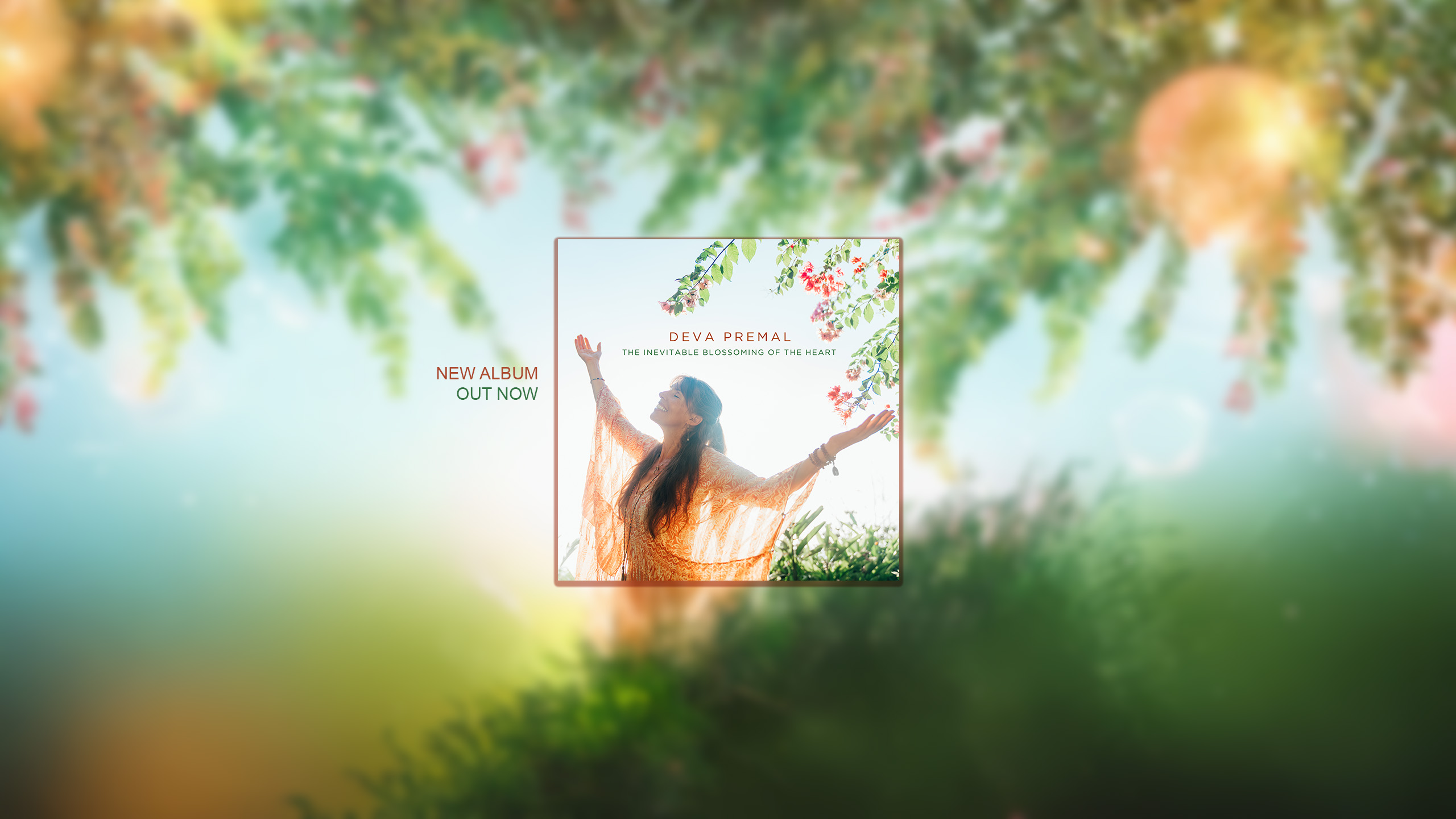
“Don’t postpone the singing.” This simple yet profound statement by Deva Premal invites us to consider the immediacy of our expression and the importance of embracing our authentic selves. In a world often filled with distractions and obligations, we may find ourselves delaying the very acts that bring us joy and connection. The stakes are high; postponing our inner song can lead to a life unfulfilled, a spirit muted, and a heart burdened by unexpressed emotions.
To delve deeper, we must recognize that singing is not merely an act of vocalization; it is a manifestation of our essence, a celebration of our being. It embodies the joy of existence and the urgency to share our unique vibrations with the world. When we postpone this act, we deny not only ourselves but also those around us the gift of our presence. This quote serves as a gentle yet firm reminder that life is fleeting, and the time to express our truth is now.
The image / the metaphor
The imagery of singing evokes a sense of liberation and joy. Singing is often associated with celebration, connection, and the expression of deep emotions. The verb "postpone" carries a weight of hesitation and delay, suggesting that we often allow external circumstances to dictate when we can express ourselves. The felt sense of this quote is one of urgency; it implores us to break free from the shackles of procrastination and to embrace the fullness of our voices.
Diving deeper into the metaphor, singing can be seen as a representation of our inner truth and creativity. It is a call to authenticity, urging us to share our unique melodies with the world. When we postpone our singing, we risk silencing our inner voice, which can lead to a disconnection from our true selves. The act of singing, therefore, becomes a powerful metaphor for living fully and authentically, reminding us that our contributions to the world are not only valuable but necessary.
In the speaker's tradition
Deva Premal's teachings are deeply rooted in the tradition of mantra-yoga, where the vibrational quality of sound is believed to hold transformative power. In this context, singing transcends mere entertainment; it becomes a spiritual practice that aligns us with our dharma, or life purpose. The concept of bhakti, or devotion, also resonates here, as singing can be an act of devotion to oneself and the divine. By embracing our inner song, we engage in a form of kenosis, or self-emptying, allowing our true essence to emerge.
In the context of mantra-yoga, we can draw parallels to the teachings found in texts like the Bhagavad Gita, where the importance of action and self-expression is emphasized. The Gita teaches us that we must act according to our nature and not postpone our duties. Similarly, Premal’s exhortation to sing is a call to action, urging us to express our inner truth without delay. This alignment of action and authenticity is essential for spiritual growth and fulfillment.
Living the teaching
Consider a modern scenario where this teaching resonates: a person feels a calling to pursue a creative passion, perhaps painting or writing, but continually puts it off due to work obligations or self-doubt. Each day that passes without engaging in this creative expression is a day of muted potential. By embracing Premal's message, this individual can recognize the importance of prioritizing their passion, understanding that the act of creation is not just a personal joy but a contribution to the collective human experience.
In another context, think about relationships. Often, we postpone expressing our feelings, whether love, gratitude, or even difficult emotions, fearing vulnerability or rejection. This postponement can lead to misunderstandings and emotional distance. By choosing to “sing” in our relationships—sharing our thoughts and feelings openly—we foster deeper connections and create a space for authenticity. The urgency of singing, in this case, transforms our interactions, allowing love and understanding to flourish.
A reflection
As we contemplate the essence of Deva Premal's quote, we are invited to reflect on our own lives: What are the songs we have postponed? What truths remain unexpressed within us? In this moment of reflection, consider the ways in which you can bring your inner song to the surface. How might your life change if you embraced the urgency of your expression today?







Join the BrightStar Community
Stay connected with daily inspiration, event announcements, and community wisdom