The Dual Nature of Sound: Healing and Harm
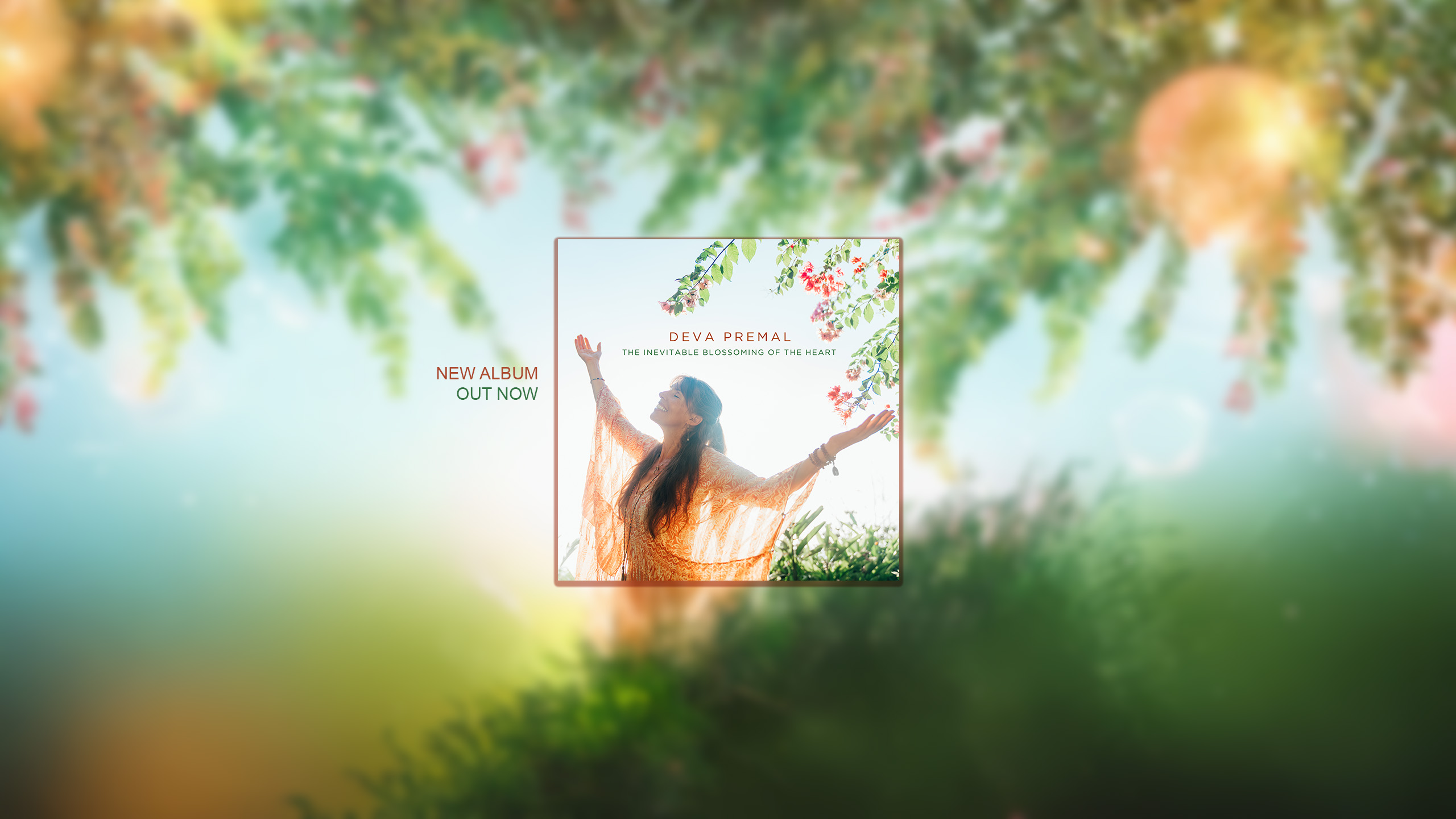
Deva Premal's assertion that "Music can heal. Music can also harm" invites us to explore the profound duality inherent in sound and its impact on our lives. This statement serves as a reminder that music, a universal language, possesses the power to uplift the spirit and soothe the soul, yet it also holds the potential to evoke pain and discord. Understanding this duality is essential, as it compels us to reflect on our choices in sound and the environments we create through our auditory experiences.
In a world increasingly saturated with noise, the significance of Premal's words becomes even more pronounced. Music is not merely a backdrop to our lives; it is a force that shapes our emotional landscapes and influences our well-being. By recognizing the healing and harmful potentials of music, we can cultivate a more intentional relationship with sound, allowing us to harness its power for personal and collective transformation.
The image / the metaphor
At the heart of Premal's quote lies a vivid imagery that encapsulates the essence of music as a dual-edged sword. The verbs "heal" and "harm" evoke a sense of agency, suggesting that music is not a passive experience but an active force that can either nurture or devastate. This duality is felt deeply; the soothing melodies of a lullaby can cradle us into peaceful sleep, while a dissonant cacophony can trigger anxiety and unrest. The imagery of music as a healer conjures visions of gentle waves washing over a weary soul, while the notion of harm evokes the sharp sting of discordant notes that can pierce through our tranquility.
Diving deeper into the metaphor, we can see that music serves as a mirror reflecting our inner states. When we engage with music, we often find ourselves resonating with its vibrations, which can amplify our emotions, whether they be joy, sorrow, or anger. This resonance highlights the importance of discernment in our musical choices; just as we would be cautious about the food we consume for our physical health, we must also be mindful of the sounds we allow into our lives for our emotional and spiritual well-being.
In the speaker's tradition
Deva Premal's insights are deeply rooted in the tradition of mantra-yoga, where sound is revered as a sacred tool for transformation. In this context, the concept of "bhakti," or devotion, plays a crucial role, as it emphasizes the relationship between the practitioner and the divine through sound. Music, particularly in the form of mantras, is seen as a vehicle for connecting with higher states of consciousness and fostering inner peace. However, the potential for harm arises when sound is misused or when it distracts us from our spiritual path, leading us away from our true dharma.
In the ancient text of the "Yoga Sutras," Patanjali speaks of the power of sound in the context of "pranayama," or breath control, where the breath is synchronized with sound to elevate consciousness. This practice illustrates how sound can be a bridge to deeper states of awareness, yet it also serves as a cautionary tale about the distractions that can arise from the misuse of sound. The Sutras remind us that while music can elevate our spirits, it is essential to remain vigilant about the quality of the sounds we engage with, ensuring they align with our spiritual intentions.
Living the teaching
Consider a modern scenario where the healing power of music becomes evident: a community gathering where individuals come together to share songs of hope and resilience. In this space, the collective energy of harmonious voices creates an atmosphere of unity and healing, allowing participants to release their burdens and connect with one another on a deeper level. Conversely, imagine a situation where loud, aggressive music fills a space, inciting conflict and tension among individuals. This stark contrast illustrates how the same medium—music—can either foster connection or breed discord, depending on its application.
In our personal relationships, the teachings of Premal's quote can manifest in profound ways. For instance, during a difficult conversation with a loved one, choosing to play soft, calming music in the background can create a nurturing environment that encourages open communication and healing. On the other hand, engaging in discussions while surrounded by jarring sounds or aggressive music can heighten tensions and lead to misunderstandings. By consciously selecting the soundscapes that accompany our interactions, we can cultivate spaces that promote healing rather than harm.
A reflection
As we contemplate the dual nature of music, we are invited to consider the following question: How can I become more intentional about the sounds I allow into my life, and what impact do they have on my emotional and spiritual well-being? This inquiry encourages us to reflect on our daily choices, from the music we listen to during our commutes to the sounds that fill our homes. By engaging with this question, we can begin to navigate the intricate relationship between sound, healing, and harm, ultimately fostering a more harmonious existence.








Join the BrightStar Community
Stay connected with daily inspiration, event announcements, and community wisdom