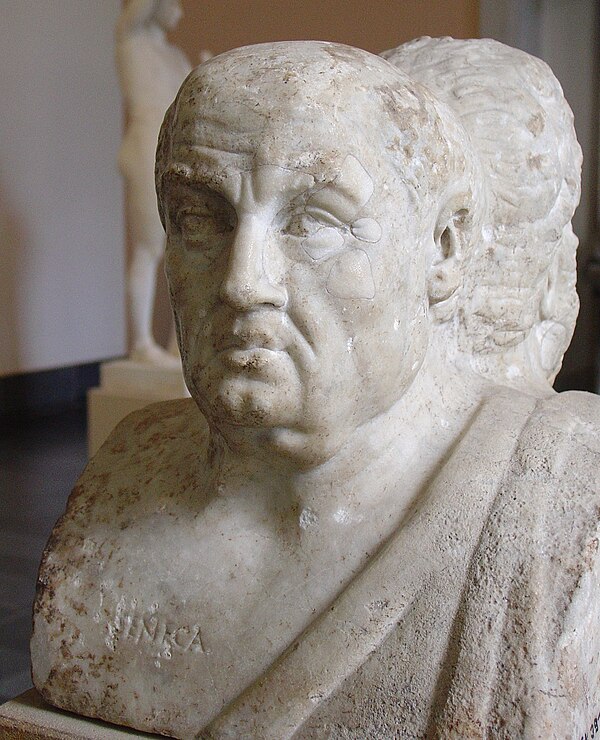
Embracing Each Day as a New Life
Seneca's profound invitation to "Begin to live and count each separate day as a separate life" urges us to embrace the present moment with a sense of urgency and reverence. This perspective challenges us to recognize the fleeting nature of time, encouraging a mindful approach to our daily existence. By treating each day as a distinct life, we cultivate a deeper appreciation for our experiences, fostering a sense of gratitude and presence that is often lost in the hustle of modern living.
This call to awareness is not merely a poetic notion; it serves as a powerful reminder of our mortality and the preciousness of each moment. In a world that often prioritizes future aspirations or past regrets, Seneca's wisdom invites us to anchor ourselves in the now. By doing so, we can transform our daily routines into meaningful rituals, allowing us to live fully and authentically, moment by moment.
The image / the metaphor
At the heart of Seneca's quote lies a vivid metaphor that evokes the imagery of life as a series of distinct chapters, each day a blank page waiting to be filled. The verbs "begin" and "count" suggest an active engagement with time, urging us to take responsibility for how we live each day. This perspective encourages us to approach each sunrise with the freshness of a new beginning, free from the burdens of yesterday's disappointments or tomorrow's anxieties.
Diving deeper into this metaphor, we can see how it reflects the Stoic understanding of time as a continuum of opportunities. Each day, like a separate life, offers us the chance to cultivate virtues, confront challenges, and express our true selves. By recognizing the uniqueness of each day, we can foster a sense of urgency that propels us toward meaningful action, rather than allowing ourselves to drift through life on autopilot.
In the speaker's tradition
Seneca's wisdom is deeply rooted in Stoic philosophy, which emphasizes the importance of living in accordance with nature and reason. This aligns with concepts found in other spiritual traditions, such as the idea of dharma in Hinduism, which encourages individuals to fulfill their unique purpose in each moment. Similarly, the Buddhist notion of sunyata, or emptiness, invites us to let go of attachments to past and future, allowing us to fully inhabit the present.
In his letters, Seneca often reflects on the transient nature of life, echoing themes found in the writings of other Stoics like Marcus Aurelius. For instance, in "Meditations," Aurelius reminds us that "the universe is change; our life is what our thoughts make it." Both philosophers encourage us to seize the day, recognizing that each moment is an opportunity for growth and transformation, reinforcing the idea that life is best lived with intention and presence.
Living the teaching
Consider a modern scenario where this teaching can be applied: the daily grind of work. Many of us find ourselves caught in the routine of waking up, going to work, and returning home, often feeling as though we are merely going through the motions. By embracing Seneca's perspective, we can shift our mindset, approaching each workday as a unique opportunity to contribute, connect, and grow. This shift can transform mundane tasks into meaningful engagements, allowing us to find purpose even in the most ordinary moments.
In relationships, this teaching can also have profound implications. Imagine a conversation with a loved one that feels routine or strained. By treating each interaction as a separate life, we can approach it with fresh eyes and an open heart. This practice encourages us to listen deeply, express gratitude, and engage authentically, fostering deeper connections and enriching our relationships. Each moment becomes an opportunity to cultivate love and understanding, rather than allowing the passage of time to dull our interactions.
A reflection
As we contemplate Seneca's invitation to live each day as a separate life, we are called to reflect on our own relationship with time and presence. How often do we allow the days to blend into one another, losing sight of the beauty and potential inherent in each moment? In this spirit, consider this contemplative question: What would it mean for you to fully inhabit today as if it were a new life, free from the weight of yesterday and the worries of tomorrow?



Join the BrightStar Community
Stay connected with daily inspiration, event announcements, and community wisdom