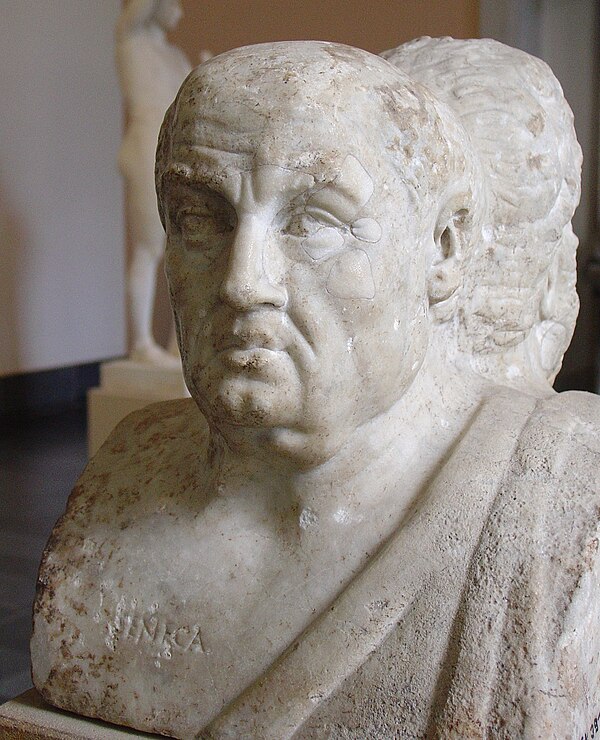
The Power of Contentment: A Stoic Reflection
Seneca's assertion that "It is in no man's power to have whatever he wants; but he has it in his power not to wish for what he has not" invites us to explore the delicate balance between desire and contentment. This profound statement challenges the modern obsession with acquisition and the relentless pursuit of more, urging us instead to cultivate a sense of satisfaction with what we already possess. In a world that often equates worth with wealth and success, this teaching serves as a reminder of the inner strength we possess to shape our desires and find peace within ourselves.
At its core, Seneca's wisdom speaks to the essence of human experience: the struggle between longing and acceptance. It compels us to confront the nature of our desires and the often-unattainable ideals we chase. By recognizing that while we cannot control external circumstances, we can master our internal landscape, we begin to understand the true power of our will. This perspective not only fosters resilience but also nurtures a deeper appreciation for the present moment, allowing us to embrace life as it is rather than how we wish it to be.
The image / the metaphor
In this quote, Seneca employs a striking contrast between the realms of desire and power. The imagery of "having" versus "wishing" evokes a sense of duality, where the former represents the tangible aspects of life and the latter embodies the intangible, often elusive nature of our aspirations. The verbs chosen—"have" and "wish"—carry significant weight; they delineate the boundaries of human agency. While we may not possess everything we desire, we hold the reins to our wishes, suggesting that our true power lies not in external acquisition but in internal acceptance.
Diving deeper into this metaphor, we can see that the act of wishing often leads to a cycle of dissatisfaction and yearning. It paints a picture of a mind perpetually reaching for something just out of grasp, creating a sense of lack that can overshadow the richness of our current experiences. By reframing our relationship with desire, we can transform our perspective from one of scarcity to one of abundance, recognizing that fulfillment is not found in the endless pursuit of more but in the appreciation of what we already have.
In the speaker's tradition
Seneca's thoughts are deeply rooted in the Stoic tradition, which emphasizes the importance of virtue, wisdom, and self-control. Central to Stoicism is the concept of *apatheia*, or the state of being free from destructive emotions, which aligns closely with Seneca's assertion. This idea resonates with similar concepts found in other spiritual traditions, such as *sunyata* in Buddhism, which speaks to the emptiness of desires and the liberation that comes from letting go of attachments. Both philosophies encourage a profound understanding of the self and the cultivation of inner peace, independent of external circumstances.
Moreover, in his *Letters to Lucilius*, Seneca often reflects on the nature of happiness and the futility of chasing after fleeting pleasures. In Letter 123, where this quote originates, he emphasizes the importance of aligning one's desires with the reality of existence. This echoes the teachings of the Bhagavad Gita, which speaks of *dharma*—the path of righteousness and duty—reminding us that true contentment arises from fulfilling our responsibilities and accepting our current situation rather than yearning for what lies beyond our reach.
Living the teaching
Consider a modern scenario where this teaching can be applied: the workplace. Many individuals find themselves caught in a relentless cycle of ambition, constantly striving for promotions, accolades, or recognition. This pursuit can lead to burnout and dissatisfaction, as the focus shifts from the joy of the work itself to the desire for external validation. By embracing Seneca's wisdom, one can learn to find contentment in the present role, appreciating the skills and experiences gained rather than fixating on what is lacking. This shift in perspective not only enhances personal well-being but also fosters a more collaborative and supportive work environment.
In the realm of relationships, Seneca's teaching offers a powerful lens through which to view our connections with others. Often, we may find ourselves wishing for traits or behaviors in our partners that they do not possess, leading to frustration and disappointment. By recognizing that we cannot change others, we can instead focus on cultivating gratitude for the qualities they bring into our lives. This practice of acceptance not only deepens our relationships but also allows us to experience love and connection more fully, free from the burdens of unrealistic expectations.
A reflection
As we contemplate Seneca's profound insight, we are invited to reflect on our own desires and the nature of our contentment. What are the things we yearn for that lie beyond our grasp, and how do these wishes shape our experience of life? In this moment of introspection, we can ask ourselves: How might my life change if I chose to embrace what I have rather than longing for what I do not? This question opens the door to a deeper understanding of our inner power and the potential for lasting peace.




Join the BrightStar Community
Stay connected with daily inspiration, event announcements, and community wisdom