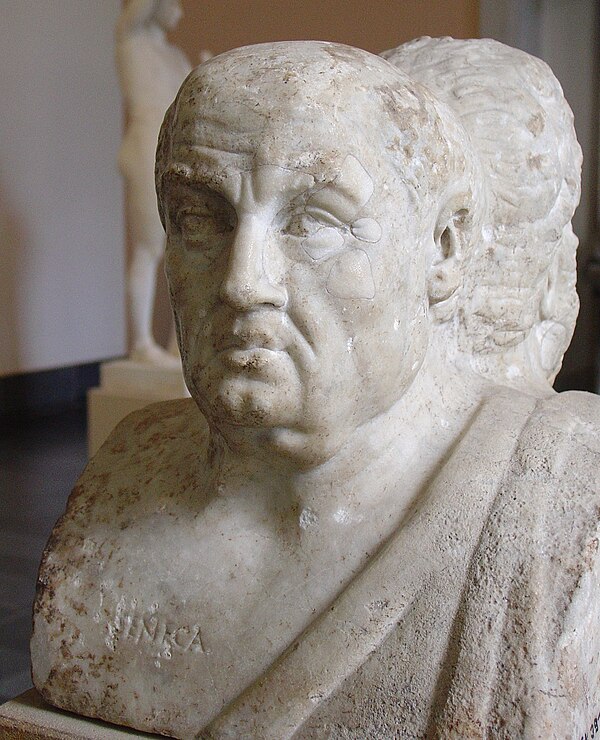
The Gift of Time: Embracing Life's True Length
Seneca's assertion that "Life, if well used, is long enough" invites us to reconsider our relationship with time and existence. In a world often preoccupied with the relentless march of hours and days, this quote serves as a gentle reminder that the quality of our lives matters far more than their mere duration. It challenges us to reflect on how we allocate our time and whether we are truly living or merely existing. The stakes are high: to squander our days is to miss the profound beauty and potential that life offers.
As we delve deeper into this wisdom, we find that Seneca's perspective is not merely about the passage of time but about the intentionality behind our choices. The Stoic philosopher urges us to cultivate a life rich in purpose, mindfulness, and authenticity. This notion resonates profoundly in our contemporary lives, where distractions abound and the pressure to achieve can lead to a superficial engagement with our own existence. Thus, the essence of Seneca's teaching lies in the transformative power of how we choose to live each moment.
The image / the metaphor
At first glance, Seneca's quote evokes a simple yet profound image: life as a resource that can be utilized wisely or squandered. The phrase "well used" suggests an active engagement with our time, implying that it is not merely the length of our days that counts but how we fill them. The verbs chosen here are crucial; "used" indicates a deliberate action, a conscious decision to invest our time in meaningful pursuits rather than allowing it to slip away unnoticed. This imagery invites us to visualize our lives as a canvas, where each moment can be painted with intention and care.
Diving deeper into the metaphor, we can see that Seneca's words challenge us to confront the often-unexamined ways we spend our time. The idea of life being "long enough" when well used suggests that fulfillment is not found in the accumulation of years but in the richness of experiences and the depth of our engagements. It compels us to ask ourselves: Are we living authentically, or are we merely going through the motions? This metaphor serves as a call to action, urging us to reclaim our time and invest it in what truly matters.
In the speaker's tradition
Seneca's insights are deeply rooted in Stoicism, a philosophical tradition that emphasizes virtue, reason, and the importance of living in accordance with nature. Central to Stoic thought is the concept of *eudaimonia*, often translated as flourishing or living well, which aligns closely with the idea of using life wisely. This notion resonates with similar concepts in other spiritual traditions, such as *dharma* in Hinduism, which refers to living in accordance with one's true purpose, or *kenosis* in Christian mysticism, which speaks to the self-emptying of one's desires for a greater good.
In his work "On the Shortness of Life," Seneca articulates the idea that time is our most precious commodity, one that should not be wasted on trivial pursuits. He draws a distinction between those who live purposefully and those who drift through life without direction. This echoes the teachings of other Stoic philosophers, such as Epictetus, who emphasized the importance of focusing on what is within our control and letting go of what is not. Both thinkers remind us that the quality of our life experience hinges on our choices and attitudes toward time.
Living the teaching
Consider a modern scenario where this teaching resonates: a busy professional caught in the whirlwind of deadlines and meetings. Each day blurs into the next, filled with tasks that seem urgent but lack true significance. In this context, Seneca's wisdom serves as a wake-up call, prompting the individual to reassess their priorities. By consciously choosing to allocate time to meaningful projects, relationships, and self-care, they can transform their experience from one of mere survival to one of genuine fulfillment.
Another application of this teaching can be found in personal relationships. Imagine a parent who, despite a hectic schedule, makes a deliberate choice to spend quality time with their children. Rather than being physically present but mentally distracted, they engage fully, creating lasting memories and deepening their bond. This intentionality reflects Seneca's assertion that life, when well used, can be rich and rewarding, regardless of its length. It is in these moments of connection and presence that we truly experience the fullness of life.
A reflection
As we contemplate Seneca's profound statement, we are invited to reflect on our own lives: How are we using our time? Are we investing it in pursuits that align with our values and aspirations, or are we allowing it to slip away in the busyness of daily life? This contemplation can lead to a deeper understanding of what it means to live well. In this spirit, I encourage you to ask yourself: What small changes can I make today to ensure that my life is not only long but also rich in meaning and purpose?




Join the BrightStar Community
Stay connected with daily inspiration, event announcements, and community wisdom