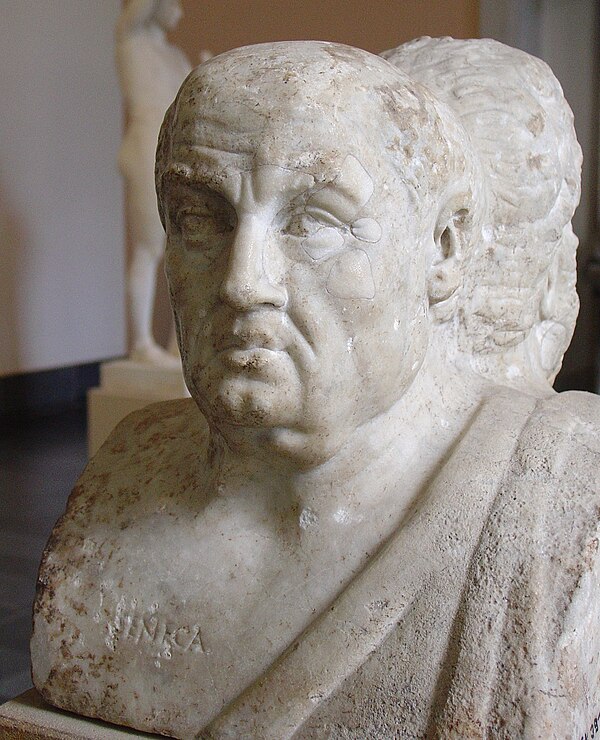
The Silent Battle Within: Understanding Seneca's Insight on the Soul
In the poignant words of Seneca, "Pestilence has slain its thousands; the soul slays its tens of thousands." This stark contrast between the physical devastation wrought by disease and the profound, often unseen turmoil of the human spirit invites us to reflect on the deeper struggles we face within ourselves. While external calamities can claim lives, it is the internal conflicts—our fears, desires, and unresolved emotions—that can lead to a far greater toll on our well-being. This quote serves as a reminder of the importance of tending to our inner landscape, where the most significant battles are fought.
Seneca's observation resonates deeply in a world where external chaos often overshadows the quiet, yet fierce, turmoil of the soul. The metaphorical language he employs highlights the potency of internal strife, suggesting that the soul's struggles can lead to a far-reaching impact on our lives and those around us. By acknowledging the weight of our inner battles, we are called to cultivate a deeper awareness of our thoughts and emotions, recognizing that the true path to healing lies not only in addressing external circumstances but also in nurturing our inner selves.
The image / the metaphor
At first glance, Seneca's quote presents a vivid image of two forces at play: the tangible threat of pestilence and the intangible, yet lethal, nature of the soul's turmoil. The choice of the word "slain" evokes a sense of violence and finality, suggesting that both the external and internal struggles can lead to destruction. However, while pestilence is a force that acts upon us, the soul's capacity to slay is rooted in our own agency. This distinction emphasizes that the greatest adversary we may face is not an external foe, but rather the battles we wage within ourselves.
Diving deeper into the metaphor, we can see that the soul's capacity to "slay" speaks to the profound impact of our thoughts and emotions on our overall well-being. The soul, in this context, represents our inner life—our beliefs, fears, and desires. When left unchecked, these internal forces can lead to despair, anxiety, and a sense of disconnection from ourselves and others. Thus, Seneca's words serve as a cautionary reminder that neglecting our inner world can have devastating consequences, urging us to engage in self-reflection and care for our soul.
In the speaker's tradition
Seneca's insights are deeply rooted in Stoicism, a philosophical tradition that emphasizes the importance of inner virtue and the cultivation of a resilient spirit. Central to Stoic thought is the idea of 'ataraxia,' or tranquility, which can only be achieved through the mastery of one's inner life. This resonates with concepts found in other spiritual traditions, such as 'dharma' in Buddhism, which encourages individuals to align their actions with their true nature, or 'kenosis' in Christian mysticism, which speaks to the self-emptying of the soul to allow for divine presence. In each case, the focus is on the internal journey and the necessity of confronting and understanding our inner struggles.
In his letters, Seneca often emphasizes the importance of self-examination and the need to confront our own thoughts and emotions. For instance, in "Letters to Lucilius," he writes about the necessity of facing our fears and desires head-on, suggesting that true wisdom comes from understanding the nature of our own souls. This aligns with the Stoic practice of 'premeditatio malorum,' or the premeditation of evils, which encourages individuals to anticipate and prepare for the challenges that may arise from within, thereby fostering resilience and clarity.
Living the teaching
Consider a modern scenario where this teaching might resonate: a person grappling with anxiety in the workplace. The external pressures of deadlines and expectations can feel overwhelming, yet it is often the internal dialogue—the self-doubt, the fear of failure—that truly paralyzes. By recognizing that these internal struggles can be more destructive than the external circumstances themselves, one can begin to cultivate practices of mindfulness and self-compassion. This awareness allows for a shift in focus from the external chaos to the internal landscape, fostering a sense of empowerment and agency over one's emotional state.
Another application of Seneca's teaching can be found in personal relationships. Imagine a conflict arising between friends, where misunderstandings and unspoken grievances lead to emotional distance. Here, the soul's capacity to "slay" manifests in the form of resentment and hurt feelings, which can erode the foundation of the relationship. By engaging in open communication and self-reflection, both parties can confront their inner turmoil, fostering healing and reconnection. This process not only addresses the immediate conflict but also nurtures the soul, allowing for deeper understanding and growth.
A reflection
As we contemplate Seneca's profound insight, we are invited to ask ourselves: How often do we allow our inner struggles to dictate our actions and emotions? In recognizing the power of our thoughts and feelings, we can begin to take responsibility for our inner lives, cultivating a practice of self-awareness and care. By doing so, we not only honor our own journey but also create a ripple effect of healing and understanding in our relationships and communities.




Join the BrightStar Community
Stay connected with daily inspiration, event announcements, and community wisdom