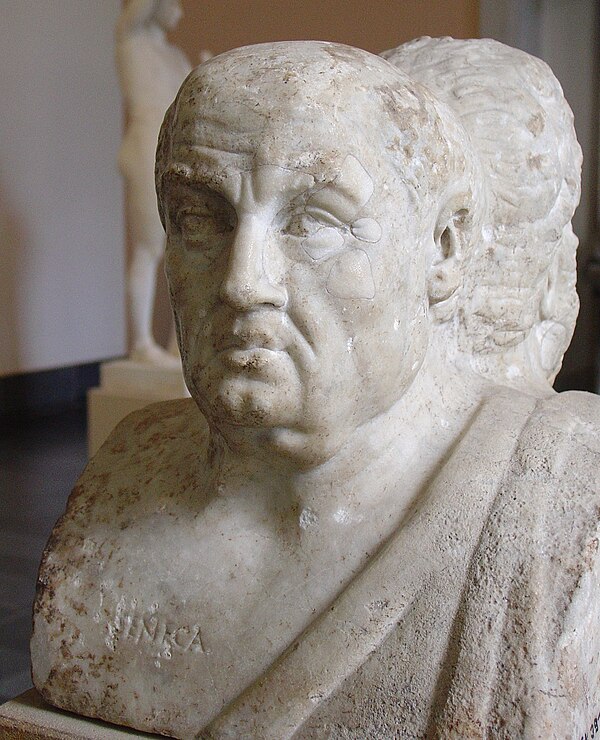
Finding Strength in Calm: The Wisdom of Seneca
Seneca's assertion that "to bear trials with a calm mind robs misfortune of its strength and burden" invites us to reconsider our relationship with adversity. In essence, he suggests that our mental state can transform the weight of our challenges, rendering them less formidable. This perspective is not merely a philosophical musing; it is a practical guide for navigating the inevitable hardships of life. By cultivating equanimity, we can diminish the power that misfortune holds over us, allowing us to face difficulties with resilience and grace.
In a world often characterized by chaos and unpredictability, the ability to maintain a calm mind becomes an invaluable asset. Seneca, a prominent Stoic philosopher, understood that our responses to external events shape our experiences more than the events themselves. This insight is particularly relevant today, as many grapple with stressors ranging from personal crises to global uncertainties. By embracing the Stoic principle of equanimity, we can learn to approach life's trials not as burdens but as opportunities for growth and self-discovery.
The image / the metaphor
At the heart of Seneca's quote lies a vivid metaphor that evokes the struggle between the mind and external circumstances. The phrase "bear trials" conjures images of endurance and resilience, suggesting that challenges are not merely to be endured but actively engaged with. The verbs "robs" and "burden" further illustrate the dynamic interplay between our mental state and the weight of our experiences. When we approach trials with calmness, we effectively disarm their capacity to overwhelm us, transforming potential suffering into a manageable experience.
Diving deeper into this metaphor, we can see that Seneca is not advocating for passive acceptance of hardship. Instead, he encourages a proactive stance, where calmness becomes a tool for empowerment. This calmness acts as a shield against the emotional turmoil that often accompanies misfortune, allowing us to navigate difficulties with clarity and purpose. In this way, the metaphor extends beyond mere endurance; it speaks to the transformative power of a serene mind in the face of adversity.
In the speaker's tradition
Seneca's teachings are deeply rooted in the Stoic tradition, which emphasizes the importance of virtue, reason, and self-control in the pursuit of a good life. Central to Stoicism is the concept of equanimity, or the ability to maintain a balanced mind regardless of external circumstances. This idea resonates with similar concepts found in other spiritual traditions, such as the Buddhist notion of *sunyata*, or emptiness, which teaches that our perceptions of suffering are often shaped by our attachments and aversions. Just as Stoicism advocates for the cultivation of inner strength, these traditions highlight the importance of transcending the ego to find peace amidst chaos.
In his work "Letters to Lucilius," Seneca elaborates on the significance of maintaining a calm demeanor in the face of trials. He writes about the importance of preparing oneself mentally for adversity, suggesting that a well-trained mind can withstand the storms of life. This preparation aligns with the Stoic practice of *premeditatio malorum*, or the premeditation of evils, where one anticipates potential challenges and mentally rehearses responses. By doing so, we cultivate resilience and fortify our minds against the inevitable trials that life presents.
Living the teaching
Consider a modern scenario where this teaching might resonate: a professional facing unexpected job loss. The initial shock and emotional upheaval can feel overwhelming, yet applying Seneca's wisdom allows for a shift in perspective. Instead of succumbing to despair, one can choose to approach this trial with a calm mind, recognizing that while the situation is difficult, it does not define one's worth or future. By reframing the experience as an opportunity for growth—perhaps to explore new career paths or develop new skills—the individual can reclaim agency over their circumstances.
This teaching can also be applied in interpersonal relationships, particularly during conflicts. Imagine a heated argument with a loved one, where emotions run high and misunderstandings abound. By consciously choosing to remain calm, one can create space for constructive dialogue rather than escalating tensions. This practice of equanimity not only helps to defuse the immediate situation but also fosters deeper understanding and connection in the long run. In both scenarios, the essence of Seneca's teaching becomes clear: our mental state can transform our experiences, allowing us to navigate life's challenges with grace and resilience.
A reflection
As we contemplate Seneca's profound insight, we are invited to reflect on our own responses to adversity. How often do we allow external circumstances to dictate our emotional state? In moments of trial, can we cultivate the calmness that Seneca advocates, thereby diminishing the burdens we carry? This contemplation encourages us to explore the relationship between our inner world and the challenges we face, prompting us to consider how we might embody equanimity in our daily lives.




Join the BrightStar Community
Stay connected with daily inspiration, event announcements, and community wisdom