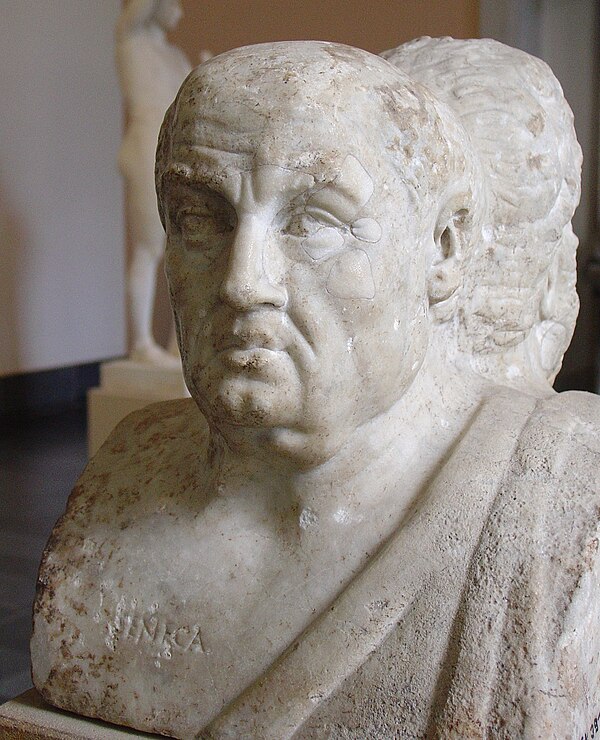
Becoming a Friend to Oneself: The Journey of Inner Growth
In the poignant words of Seneca, "What progress have I made? I am beginning to be a friend to myself." This reflection encapsulates a profound journey of self-discovery and acceptance, emphasizing the importance of nurturing a compassionate relationship with oneself. In a world often marked by external validation and relentless comparison, the stakes of this inner friendship are high; it is the foundation upon which personal growth and resilience are built. To become a friend to oneself is not merely an act of self-indulgence but a vital step toward authentic living.
Seneca's inquiry invites us to pause and assess our inner landscape, prompting a deeper exploration of our thoughts, feelings, and behaviors. This self-friendship is not a destination but an ongoing process, one that requires patience, honesty, and a willingness to confront our vulnerabilities. As we embark on this journey, we may discover that the relationship we cultivate with ourselves profoundly influences our interactions with others and the world around us. The essence of this quote lies in its call to prioritize self-compassion as a means to foster genuine growth and connection.
The image / the metaphor
At the heart of Seneca's quote is a rich tapestry of imagery that evokes the notion of companionship and support. The phrase "becoming a friend to myself" suggests a shift from self-criticism to self-acceptance, where the verbs "beginning" and "progress" indicate a dynamic process rather than a static state. This imagery resonates deeply, as it conjures the warmth of friendship—a relationship characterized by understanding, patience, and encouragement. In this context, the self becomes both the nurturer and the nurtured, highlighting the duality of our inner experience.
Diving deeper into this metaphor, we can see that friendship implies a certain level of intimacy and trust. To be a friend to oneself means to engage in a dialogue that is supportive rather than punitive. It invites us to listen to our inner voice with kindness, to acknowledge our flaws without judgment, and to celebrate our achievements, however small. This metaphor of friendship serves as a powerful reminder that the most significant relationship we will ever have is the one we cultivate with ourselves, and it is through this relationship that we can truly flourish.
In the speaker's tradition
Seneca's philosophy is deeply rooted in Stoicism, a tradition that emphasizes the importance of inner virtue and self-governance. Central to Stoic thought is the concept of 'ataraxia,' or inner peace, which can only be achieved through self-acceptance and the cultivation of a virtuous character. In this light, becoming a friend to oneself aligns with the Stoic practice of 'prohairesis,' or moral choice, where individuals are encouraged to make conscious decisions that reflect their values and aspirations. This self-friendship is not merely a personal endeavor; it is a pathway to embodying one's highest potential.
Moreover, the Stoic practice of self-reflection, as articulated in Seneca's Letters, serves as a vital tool for personal growth. In Letter 6, Seneca encourages us to examine our thoughts and actions critically, fostering a deeper understanding of ourselves. This introspective approach resonates with the Buddhist concept of 'sunyata,' or emptiness, which invites individuals to let go of rigid self-identities and embrace a more fluid understanding of the self. Both traditions underscore the importance of self-awareness as a precursor to genuine friendship with oneself.
Living the teaching
Consider a modern scenario where this teaching can be applied: a young professional grappling with the pressures of career advancement. In the relentless pursuit of success, they may find themselves caught in a cycle of self-doubt and harsh self-criticism. By embracing Seneca's wisdom, they can begin to shift their internal dialogue, recognizing that their worth is not solely defined by external achievements. Instead, they can cultivate a sense of self-compassion, treating themselves with the same kindness they would offer a friend facing similar challenges. This shift can lead to greater resilience and a more authentic approach to their career.
Another application of this teaching can be found in interpersonal relationships. Imagine a person navigating a difficult moment with a loved one, perhaps after a misunderstanding or conflict. By first becoming a friend to themselves, they can approach the situation with a sense of calm and understanding. This self-friendship allows them to process their emotions without judgment, ultimately leading to more constructive communication and healing. In this way, the practice of self-compassion not only enriches our relationship with ourselves but also enhances our connections with others.
A reflection
As we contemplate Seneca's profound insight, we are invited to reflect on our own journeys of self-friendship. How often do we extend the same compassion and understanding to ourselves that we readily offer to others? In a world that often prioritizes external validation, the challenge lies in nurturing an inner dialogue that is supportive and affirming. As you ponder this, consider the question: In what ways can I become a better friend to myself today?




Join the BrightStar Community
Stay connected with daily inspiration, event announcements, and community wisdom