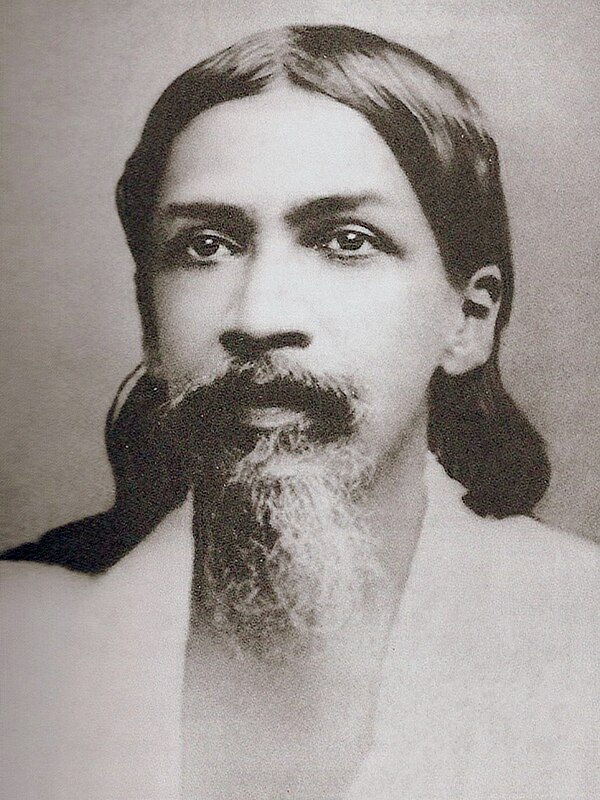
The Sacred Art of Listening Within
“Sit quiet, call within, listen.” In this succinct yet profound directive, Sri Aurobindo invites us to embrace stillness as a pathway to deeper understanding. The act of sitting quietly and turning our attention inward is not merely a suggestion; it is a call to engage with the essence of our being. In a world filled with distractions and noise, this teaching holds immense significance, urging us to cultivate an inner sanctuary where we can hear the whispers of our true selves and the universe around us.
To listen within is to embark on a journey of self-discovery and spiritual awakening. It requires us to quiet the incessant chatter of the mind and to create space for reflection and insight. This practice is not just about the absence of sound; it is about tuning into the subtle vibrations of our inner life. In doing so, we may uncover profound truths that lie beneath the surface of our everyday experiences, revealing the interconnectedness of all existence and our place within it.
The image / the metaphor
The imagery in Sri Aurobindo's quote evokes a sense of serene contemplation. The verbs “sit,” “call,” and “listen” suggest a deliberate and gentle approach to introspection. “Sit quiet” implies a physical stillness that allows for mental and emotional calm. “Call within” indicates an active engagement, a beckoning to the deeper layers of consciousness, while “listen” emphasizes the importance of receptivity. Together, these actions create a sacred space where one can attune to the subtle messages of the heart and spirit.
Delving deeper into the metaphor, we can see that this quote encapsulates a holistic approach to spiritual practice. The act of sitting is not passive; it is a grounding force that stabilizes the seeker. Calling within suggests a yearning for connection, a recognition that the answers we seek are not found externally but reside within our own being. Listening, then, becomes an act of surrender, a willingness to be present and open to whatever arises. This triad of actions forms a powerful framework for spiritual exploration, inviting us to engage with our inner landscape.
In the speaker's tradition
Situated within the rich tapestry of Hindu philosophy, Sri Aurobindo's teaching resonates with concepts such as dharma, the inherent duty that guides our actions, and prajna, the wisdom that arises from deep contemplation. His emphasis on inner listening aligns with the practice of bhakti, or devotion, where the heart opens to receive divine guidance. In this context, the act of calling within can be seen as a form of kenosis, the self-emptying that allows for the fullness of spiritual experience to emerge. This interplay of concepts underscores the depth of Aurobindo's insight, inviting practitioners to explore the nuances of their spiritual journey.
In his work, "Letters on Yoga," Aurobindo elaborates on the importance of inner silence as a means to connect with the divine. He writes about the necessity of creating a still mind to perceive the higher truths that lie beyond the surface of our thoughts. This echoes the teachings found in the Upanishads, where the quest for self-knowledge is often described as a journey inward, culminating in the realization of the unity of Atman (the self) and Brahman (the universal consciousness). Such texts reinforce the timeless nature of Aurobindo's message, situating it within a broader spiritual framework.
Living the teaching
In our fast-paced modern lives, the call to “sit quiet, call within, listen” can feel both daunting and essential. Consider a scenario where one is overwhelmed by the demands of work and personal responsibilities. In such moments, taking a few minutes to pause, breathe, and turn inward can provide clarity and calm. This practice allows individuals to reconnect with their intentions and values, fostering a sense of purpose amidst chaos. By creating a habit of inner listening, we can navigate our external challenges with greater ease and insight.
Moreover, this teaching can be particularly transformative in relationships. Imagine a moment of conflict with a loved one, where emotions run high and communication falters. By choosing to sit quietly, call within, and listen—not only to oneself but also to the other person—we create an opportunity for empathy and understanding. This practice encourages us to transcend our immediate reactions and to approach the situation with a heart open to connection. In doing so, we cultivate deeper bonds and foster an environment where love and compassion can flourish.
A reflection
As we contemplate Sri Aurobindo's invitation to sit quietly and listen within, we are prompted to ask ourselves: What truths lie waiting in the stillness of my heart? This question invites us to engage in a practice of reflection, encouraging us to explore the depths of our inner landscape. By embracing the stillness and allowing ourselves to listen, we may uncover insights that guide us on our spiritual journey, illuminating the path ahead with clarity and purpose.






Join the BrightStar Community
Stay connected with daily inspiration, event announcements, and community wisdom