The Power of Self-Faith: A Path to Liberation
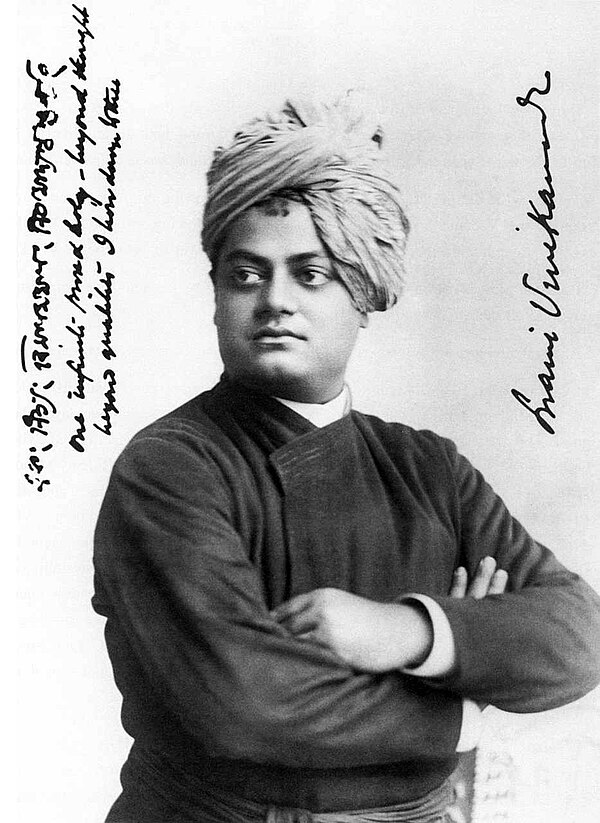
Swami Vivekananda's assertion that "If faith in ourselves had been more extensively taught and practiced, I am sure a very large portion of the evils and miseries that we have would have vanished" invites us to consider the profound impact of self-belief on our collective human experience. In a world often riddled with doubt and despair, the cultivation of faith in oneself emerges as a transformative force. This statement not only highlights the importance of self-empowerment but also suggests that many of our struggles stem from a lack of this essential belief.
Vivekananda's words resonate deeply in a contemporary context where external validation often overshadows internal conviction. The emphasis on self-faith as a remedy for societal ills encourages us to reflect on our own lives and the ways in which we might be undermining our potential. By fostering a culture that prioritizes self-belief, we can begin to dismantle the barriers that contribute to personal and communal suffering, ultimately leading to a more harmonious existence.
The image / the metaphor
At its core, Vivekananda's quote employs vivid imagery that evokes a sense of liberation and possibility. The phrase "faith in ourselves" conjures an image of a sturdy foundation upon which we can build our lives. The verbs "taught" and "practiced" suggest an active engagement with this faith, indicating that it is not merely an abstract concept but a skill that can be cultivated. The felt sense of this quote is one of empowerment, urging individuals to recognize their inherent worth and potential.
Diving deeper into the metaphor, we can see that self-faith acts as a beacon of light in the darkness of self-doubt and despair. It is a call to action, encouraging us to rise above our limitations and embrace our true selves. By framing self-belief as a remedy for the "evils and miseries" of life, Vivekananda invites us to envision a world where individuals are not shackled by insecurity but instead empowered to pursue their highest aspirations.
In the speaker's tradition
Swami Vivekananda's teachings are deeply rooted in the Hindu tradition, where concepts such as dharma (righteous duty) and prajna (wisdom) play pivotal roles. The notion of self-faith aligns closely with the idea of dharma, which emphasizes the importance of understanding one's true nature and fulfilling one's potential. In this context, self-belief is not merely a personal endeavor but a spiritual obligation that contributes to the greater good of society.
Moreover, Vivekananda's emphasis on self-faith can be likened to the concept of bhakti, or devotion, which encourages individuals to cultivate a loving relationship with themselves and the divine. In the Bhagavad Gita, Krishna speaks of the importance of self-knowledge and self-acceptance, suggesting that true wisdom arises from recognizing one's divine nature. This connection underscores the idea that faith in oneself is not only a personal journey but also a spiritual one, deeply intertwined with the pursuit of truth and enlightenment.
Living the teaching
Consider a modern scenario where an individual grapples with self-doubt in their professional life. Perhaps they are hesitant to pursue a promotion or take on a leadership role due to fears of inadequacy. By embracing Vivekananda's teaching of self-faith, this person can begin to recognize their unique strengths and contributions, allowing them to step into their power and pursue opportunities that align with their true potential. This shift in mindset can lead to not only personal growth but also a positive impact on their workplace culture.
In the realm of relationships, the teaching of self-faith can manifest in the way we engage with others. For instance, someone may struggle with feelings of unworthiness in a romantic partnership, leading to patterns of self-sabotage. By cultivating faith in themselves, they can approach the relationship with a sense of confidence and authenticity, fostering deeper connections and healthier dynamics. This practice of self-belief ultimately enriches not only their own life but also the lives of those around them.
A reflection
As we contemplate Vivekananda's profound insight, we are invited to ask ourselves: In what areas of my life do I struggle to believe in my own worth and potential? This question encourages a deep exploration of our self-perceptions and the societal narratives that may have shaped them. By reflecting on this inquiry, we can begin to dismantle the barriers that inhibit our self-faith and embark on a journey toward greater empowerment and fulfillment.




Join the BrightStar Community
Stay connected with daily inspiration, event announcements, and community wisdom