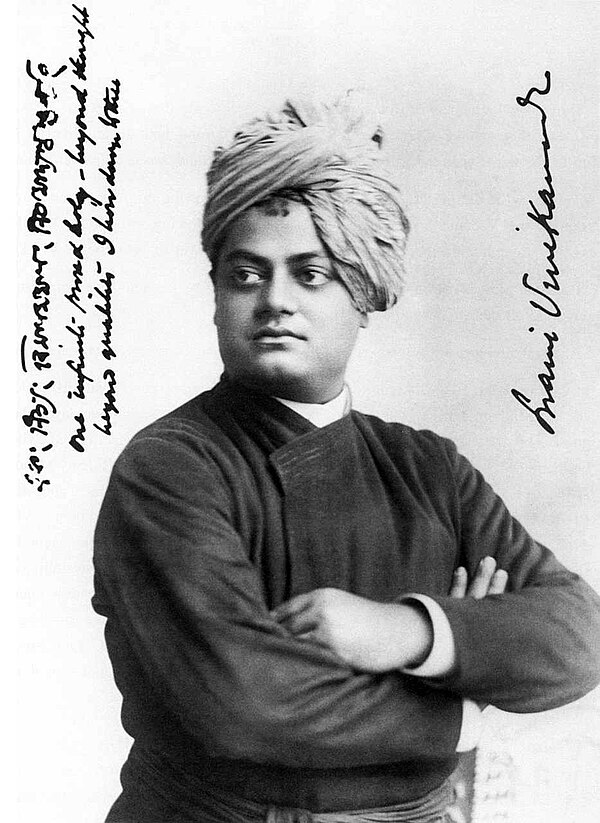
The Gradual Ascent of Consciousness
Swami Vivekananda's assertion that "It is the level of human consciousness which has to be raised, slowly, gradually" invites us to reflect on the profound evolution of our inner lives. This statement underscores the importance of consciousness as a dynamic force in human development, suggesting that true transformation is not an instantaneous event but a gradual unfolding. In a world often driven by the desire for quick results and immediate gratification, this perspective serves as a gentle reminder that deep change requires patience, commitment, and a willingness to engage in the slow work of self-discovery.
Vivekananda's words resonate deeply in our contemporary context, where the pace of life can overshadow the more subtle, yet essential, processes of inner growth. The notion of raising consciousness implies not merely an increase in knowledge or awareness but a fundamental shift in how we perceive ourselves and our relationship to the universe. This evolution is not just personal; it is collective, suggesting that as individuals elevate their consciousness, they contribute to a broader awakening that can transform society itself. The stakes are high, as the quality of our consciousness directly influences our actions, relationships, and the world we create together.
The image / the metaphor
At the heart of Vivekananda's quote lies a vivid metaphor of elevation and ascent. The verbs "raised," "slowly," and "gradually" evoke a sense of movement, suggesting that consciousness is not a static state but a journey. This imagery invites us to envision consciousness as a landscape that we must traverse, often requiring us to navigate obstacles and embrace the terrain's challenges. The gradual nature of this ascent implies that each step, no matter how small, contributes to a larger transformation, emphasizing the importance of persistence and dedication in our spiritual journeys.
Diving deeper into this metaphor, we can see that the process of raising consciousness is akin to cultivating a garden. Just as a gardener must tend to the soil, plant seeds, and nurture growth over time, so too must we cultivate our inner lives with care and intention. This nurturing process involves not only the acquisition of knowledge but also the development of virtues such as compassion, mindfulness, and self-awareness. The gradual unfolding of consciousness reflects the natural rhythms of life, reminding us that true growth often occurs in cycles, requiring both patience and faith in the process.
In the speaker's tradition
Swami Vivekananda's insights are deeply rooted in the rich tapestry of Hindu philosophy, where the evolution of consciousness is a central theme. Concepts such as dharma, the moral order of the universe, and prajna, or wisdom, are integral to understanding this journey. In the Hindu tradition, raising consciousness is often linked to the practice of bhakti, or devotion, which fosters a profound connection to the divine and encourages the seeker to transcend the ego. This transformative journey is not merely an individual endeavor; it is a collective awakening that aligns with the greater cosmic order.
In Vivekananda's own writings, particularly in the "Complete Works," he emphasizes the importance of self-realization as a means to elevate consciousness. He draws upon the teachings of the Upanishads, which speak of the interconnectedness of all beings and the ultimate goal of realizing one's unity with Brahman, the universal consciousness. This realization is not an abstract concept but a lived experience that unfolds gradually, echoing the essence of Vivekananda's assertion. The journey toward higher consciousness is a sacred path that invites us to engage with our true nature and the world around us.
Living the teaching
In our modern lives, the teaching of raising consciousness gradually can be applied in various contexts, particularly in the realm of personal development. Consider a scenario where an individual seeks to cultivate mindfulness in their daily routine. Instead of attempting to overhaul their entire lifestyle overnight, they might begin by dedicating just a few minutes each day to meditation or reflective journaling. This small, consistent practice can lead to a profound shift in awareness over time, allowing them to respond to life's challenges with greater clarity and compassion. Such incremental changes exemplify the essence of Vivekananda's teaching, illustrating that transformation is often a series of small steps rather than a single leap.
Another application of this teaching can be found in interpersonal relationships. Imagine a situation where misunderstandings and conflicts arise between friends or family members. Instead of seeking immediate resolution through confrontation, one might choose to approach the situation with patience and empathy, gradually fostering open communication and understanding. By consciously raising their level of awareness and emotional intelligence, individuals can create a more harmonious environment, ultimately leading to deeper connections. This approach reflects the gradual nature of consciousness elevation, highlighting the importance of nurturing relationships with care and intention.
A reflection
As we contemplate Swami Vivekananda's profound insight, we are invited to reflect on our own journeys of consciousness. What small steps can we take today to elevate our awareness and deepen our understanding of ourselves and the world around us? In a society that often prioritizes speed and efficiency, how can we cultivate the patience and commitment necessary for true transformation? These questions encourage us to engage with our inner lives thoughtfully, recognizing that the path to higher consciousness is a sacred journey that unfolds gradually, one step at a time.




Join the BrightStar Community
Stay connected with daily inspiration, event announcements, and community wisdom