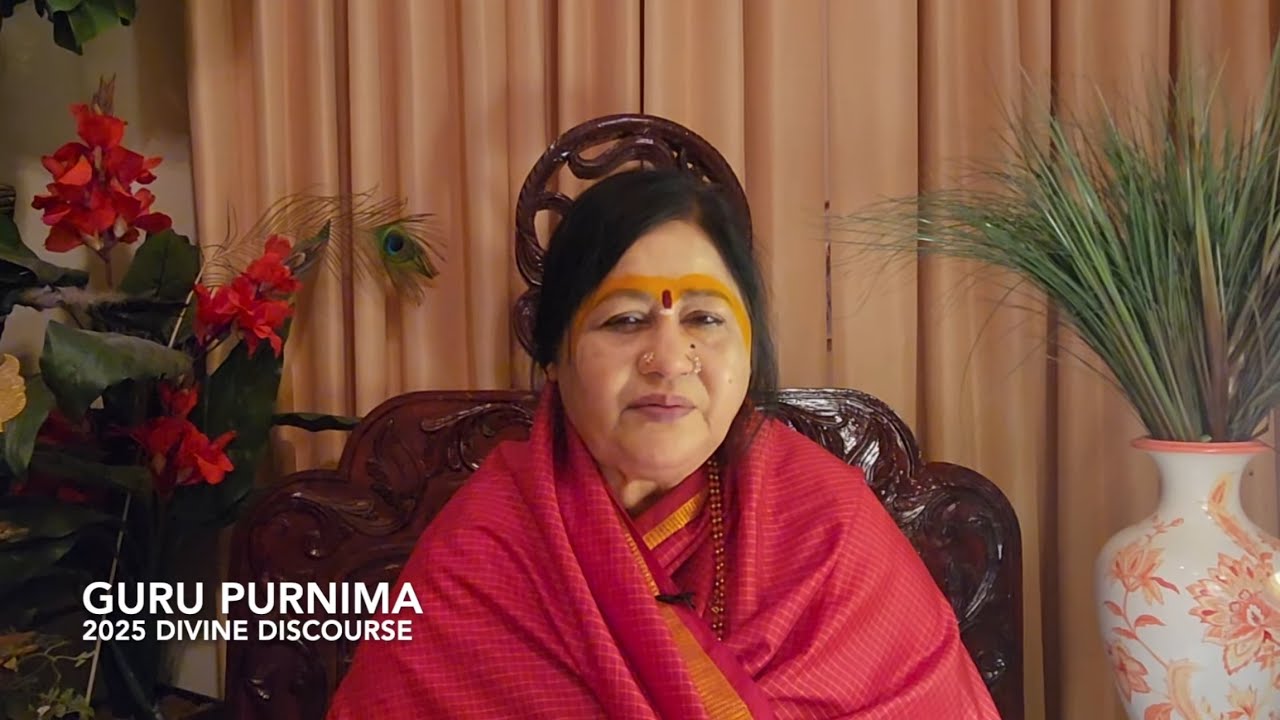
In this Telugu discourse, Sri Karunamayi Amma unpacks the spiritual significance of rudram, one of the Vedic hymns most closely associated with Lord Shiva. Rather than treating rudram as merely a ritual practice, Amma frames it as a direct invocation of divine consciousness that purifies the mind, elevates spiritual awareness, and creates a protective, healing resonance for both individual practitioners and collective humanity. The talk emphasizes how rudram chanting reconnects the chanter with sacred sound vibrations that dissolve ego, invoke divine grace, and align consciousness with the eternal principles embedded in Vedic knowledge.
What Is Rudram in the Vedic Tradition?
Rudram refers to a specific group of mantras within the Yajurveda, the ritualistic Vedic scripture. In Sanskrit and yogic tradition, "Rudra" is one of the primary names for Lord Shiva, the deity associated with consciousness, transformation, and the dissolution of ignorance. The rudram hymns are composed in such a way that they invoke and praise this divine principle through sacred sound.
Sri Karunamayi Amma teaches that rudram is not simply a historical artifact or religious formality. Instead, it is a living spiritual technology—a precise arrangement of Sanskrit syllables and phonetic vibrations designed to attune human consciousness to the infinite, eternal consciousness represented by Shiva. Each word, each syllable in rudram carries layers of meaning and energetic resonance that work on multiple dimensions: the physical body, the subtle energy channels (nadis), the mind, and the spirit itself.
How Does Rudram Chanting Work on the Mind and Body?
According to Amma's teaching, when a practitioner chants rudram with sincere devotion and proper understanding, several simultaneous transformations occur. The vibrations of the Sanskrit syllables act as a form of inner cleansing. Modern listeners often think of chanting as meditation or relaxation, but Amma conveys that rudram is more precise and intentional than that—it is a systematic invocation of divine presence.
The human mind, left to its own devices, tends to spiral in cycles of desire, fear, attachment, and aversion. These mental patterns create what Amma describes implicitly as a kind of energetic distortion or blockage. Rudram chanting, when performed with awareness, acts as a sonic reset button. The regularized rhythm and the specific vowel and consonant combinations create a vibrational field that can reorganize scattered mental energy and return it to a state of wholeness and clarity.
Beyond mental effects, rudram also works on the physical body. The resonance of the chanted syllables activates the subtle energy channels (nadis) and chakras, the spinning energy centers that traditional yoga and Tantra recognize as coordinators of physical, emotional, and spiritual health. Practitioners often report feeling a sense of calm, centeredness, and heightened awareness after rudram chanting—not because they have relaxed their minds, but because they have temporarily aligned their personal vibration with a divine template.
Why Is Rudram Specifically Associated with Lord Shiva?
Sri Karunamayi Amma emphasizes that the association of rudram with Shiva is not arbitrary. In Hindu philosophy and practice, Shiva represents pure consciousness—the witnessing, eternal awareness that is untouched by change. Shiva also embodies the principle of transformation; Shiva destroys ignorance the way fire burns away impurities. This is not destruction in a harmful sense, but dissolution—the clearing away of illusion so that truth can emerge.
When one chants rudram, one is essentially aligning oneself with this principle. By invoking Shiva through sacred sound, the chanter asks for the dissolution of their own inner ignorance, ego, and false identifications. The goal is not to become someone new, but to clear away the layers of conditioning that obscure one's true nature—which, according to Vedantic philosophy, is consciousness itself, eternally free and untouched.
What Are the Spiritual and Collective Benefits of Rudram Chanting?
Sri Karunamayi Amma teaches that the benefits of rudram extend far beyond individual peace. Rudram is understood as a mantra that not only elevates the person chanting it, but also radiates protective and purifying energy into the surrounding environment and, by extension, to all beings. This is rooted in the principle that consciousness is not contained within the individual—it is interconnected, and vibrations generated by sincere spiritual practice ripple outward.
On the individual level, consistent rudram chanting:
- Purifies the mind: Reduces mental agitation, worry, and negative thought patterns.
- Elevates awareness: Gradually shifts consciousness from identification with the body and personality toward identification with the eternal, witnessing awareness.
- Invokes divine grace: Opens the heart and mind to the presence of the divine, making one more receptive to guidance and blessings.
- Strengthens spiritual protection: Creates a protective energetic field around the practitioner, insulating them from negativity and harmful influences.
- Heals and harmonizes: Balances the energy system, supporting physical health, emotional resilience, and spiritual development.
On the collective level, Amma conveys that when groups of people chant rudram with sincere intention, the cumulative vibrational effect is multiplied. This collective chanting creates a healing and protective field that benefits not only those present but extends into the world at large. Rudram is therefore understood as a gift humanity can offer to the cosmos—a way of participating in the restoration and maintenance of universal harmony (Rita).
How Should Rudram Be Approached by Practitioners?
Sri Karunamayi Amma's teaching emphasizes that the efficacy of rudram depends heavily on the consciousness and intention of the practitioner. One cannot simply recite the words mechanically and expect full benefit. Instead, the chanter is invited to approach rudram with:
- Devotion: A sincere heart that recognizes the divine principle being invoked.
- Understanding: Some comprehension of what the mantras mean and why they are structured this way.
- Reverence: An attitude of respect toward the Vedic knowledge and the lineage of teachers who have preserved it.
- Regularity: Consistent practice over time, rather than sporadic chanting.
- Surrender: A willingness to allow the practice to work on oneself, rather than trying to control or manipulate the outcome.
This approach ensures that the chanter is not merely producing sounds, but is genuinely engaging with the sacred technology embedded in rudram. The Sanskrit syllables carry within them centuries of spiritual intention and spiritual realization, and when one chants with sincere awareness, one becomes a conduit for that accumulated wisdom and power.
What Does It Mean to Chant Rudram as a Spiritual Discipline?
In the context of Sri Karunamayi Amma's teaching, rudram chanting is presented as one facet of a comprehensive spiritual discipline. It is not meant to replace meditation, service, devotion, or ethical living, but to complement and amplify them. The chanting itself is a form of meditation—a way of focusing the mind on the divine while simultaneously purifying the energetic body and invoking grace.
Amma suggests that rudram chanting is particularly powerful during times of personal transformation, when one is actively seeking to release old patterns and align with a higher truth. It is also potent during collective challenges or periods of global unrest, as it generates protective and harmonizing vibrations that support the evolution of human consciousness.
The discipline of rudram chanting teaches the practitioner that they are not isolated individuals struggling alone, but part of a vast web of consciousness interconnected with all beings and the eternal principle of Shiva—pure awareness itself. By invoking this principle through sacred sound, the chanter affirms their alignment with truth, wholeness, and divine grace.
Where to go from here
If you are drawn to explore rudram practice based on this teaching, consider beginning with regular listening to or learning the basic rudram mantras from an authentic teacher or recording in the traditional style. Many recordings of rudram are available from lineages that have preserved the proper pronunciation and energetic intention. Start with even a few minutes of chanting or deep listening daily, and notice over weeks and months what shifts in your inner clarity, peace, and sense of connection.
If you are already a spiritual practitioner, this teaching invites you to deepen your relationship with Vedic knowledge and to understand sacred sound not as external ritual, but as a precise instrument for consciousness transformation. The same principles Amma teaches about rudram apply to all mantra chanting and sacred sound practice—they are technologies of awakening, and their power depends on the consciousness and sincerity with which we approach them.