Embracing Stillness: The Wisdom of Non-Action
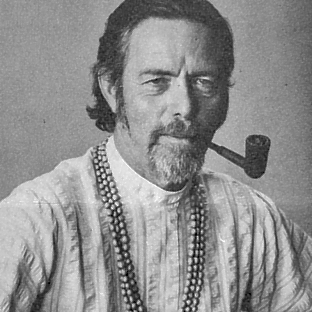
Alan Watts, in his profound observation, suggests that "muddy water is best cleared by leaving it alone." This statement invites us to reconsider our instinctual responses to chaos and confusion, urging us to embrace a state of non-action. In a world that often equates busyness with productivity, Watts offers a refreshing perspective: sometimes, the most effective way to address turmoil is through patience and stillness. This teaching resonates deeply in our fast-paced lives, where the desire to control and manipulate often leads to further entanglement.
At its core, this quote challenges the conventional wisdom that action is always the answer. Instead, it encourages us to cultivate a sense of trust in the natural unfolding of life. By allowing the muddy waters of our experiences to settle, we create space for clarity and insight to emerge. This approach not only applies to our personal struggles but also to the broader complexities of existence, where the interplay of forces often defies our attempts to impose order. In this light, Watts beckons us to explore the art of non-action, a theme deeply rooted in Zen philosophy.
The image / the metaphor
The imagery of "muddy water" evokes a visceral sense of confusion and disturbance, a state many of us can relate to in moments of emotional or mental turmoil. The choice of the verb "cleared" suggests an active desire for clarity, yet Watts juxtaposes this with the notion of "leaving it alone," creating a tension between our instinct to act and the wisdom of restraint. This metaphor captures the essence of our struggles: the more we agitate the muddy waters of our thoughts and feelings, the murkier they become. In contrast, when we allow them to settle, clarity naturally arises, revealing the stillness beneath the surface.
In the speaker's tradition
Alan Watts, a prominent figure in the popularization of Eastern philosophy in the West, draws heavily from Zen Buddhism and Taoism. Within these traditions, the concept of non-action, or "wu wei," is central. Wu wei is not about passivity but rather about aligning oneself with the natural flow of the universe. It embodies the idea that true action arises effortlessly when we are in harmony with our surroundings. This principle echoes through various spiritual teachings, including the notions of "sunyata" (emptiness) in Buddhism and "fana" (annihilation of the self) in Sufism, both of which emphasize the importance of letting go of the ego's need to control.
In Watts's exploration of these themes, he often references the Tao Te Ching, a foundational text of Taoism that speaks to the power of yielding and the wisdom of simplicity. The Taoist sage understands that the more one strives to achieve clarity through forceful action, the more one disrupts the natural order. Instead, by embodying a state of relaxed awareness, one can navigate the complexities of life with grace and ease. This perspective aligns seamlessly with Watts's assertion that muddy water is best cleared by leaving it alone, inviting us to trust in the process of life itself.
Living the teaching
Consider a modern scenario where this teaching might resonate: imagine a workplace filled with tension and conflict. In an effort to resolve issues, colleagues may engage in heated discussions, attempting to impose their solutions on one another. However, if one were to take a step back, allowing the situation to unfold without interference, the underlying issues might naturally surface, leading to a more organic resolution. By practicing non-action in this context, individuals can create an environment where clarity emerges from stillness, rather than chaos.
This principle can also be applied to personal relationships, particularly during moments of disagreement. When emotions run high, our instinct may be to confront and argue, seeking to assert our viewpoints. Yet, if we choose to pause and allow the emotional waters to settle, we may find that understanding and compassion arise more readily. By embracing the wisdom of non-action, we create space for deeper connection and insight, transforming conflict into an opportunity for growth and healing.
A reflection
As we contemplate Watts's insight, we might ask ourselves: "In what areas of my life am I agitating the muddy waters, and how might I practice the art of non-action?" This question invites us to reflect on our habitual responses to chaos and confusion, encouraging us to explore the possibility of stepping back and allowing clarity to emerge. By embracing this contemplative inquiry, we can cultivate a deeper understanding of ourselves and our relationship with the world, ultimately leading us toward a more harmonious existence.



Join the BrightStar Community
Stay connected with daily inspiration, event announcements, and community wisdom