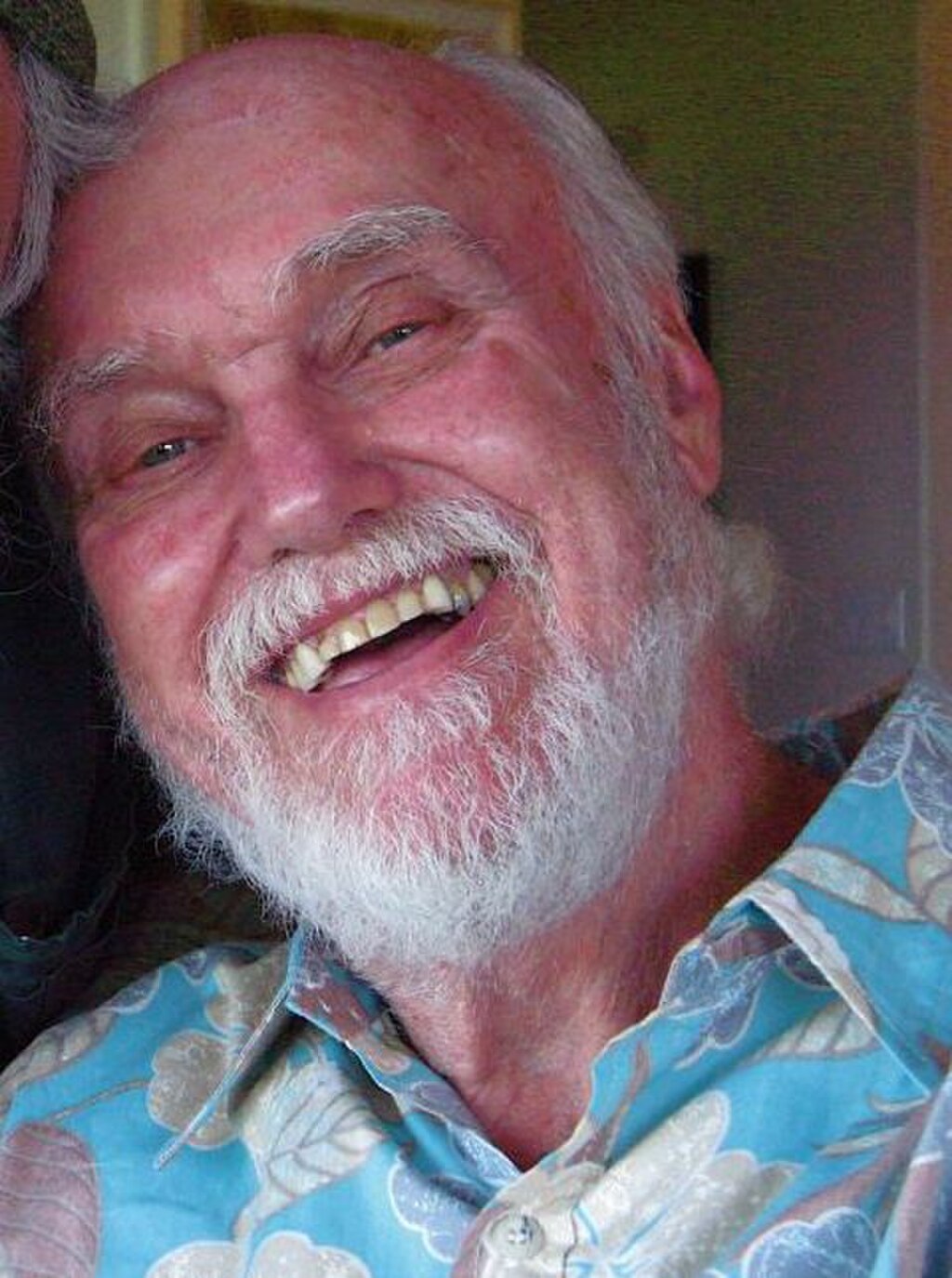
The Power of Surrender: A Path to True Action
Ram Dass's assertion that "surrender is the highest form of action" invites us to reconsider our understanding of agency and control. In a world that often equates action with forceful exertion and relentless striving, this perspective challenges us to embrace a more profound, nuanced approach to life. Surrender, in this context, is not about passivity or resignation; rather, it is an active engagement with the flow of existence, a recognition that true power lies in letting go of our rigid attachments and trusting the unfolding of our journey.
To surrender is to release the grip of the ego, to step back from the incessant need to control outcomes, and to align ourselves with a greater cosmic rhythm. This teaching resonates deeply within the spiritual traditions that Ram Dass draws from, particularly Hindu philosophy, where the concept of surrender is intricately woven into the fabric of spiritual practice. By exploring this quote, we can uncover layers of meaning that illuminate the essence of action, revealing how surrender can lead us to a more authentic and liberated way of being.
The image / the metaphor
At first glance, the phrase "surrender is the highest form of action" presents a paradox. The word "surrender" evokes images of yielding, of giving up, while "action" suggests movement, initiative, and decisiveness. However, the verbs chosen here are deliberate; they invite us to feel the tension between our instinctual desire to control and the liberating potential of letting go. In this light, surrender becomes a dynamic process, an active choice to engage with life as it is, rather than how we wish it to be.
Diving deeper into the metaphor, we can see that surrender is akin to a dance with the universe. It is not a passive retreat but a graceful yielding to the rhythms of life, allowing us to move in harmony with the greater whole. This dance requires trust and vulnerability, as we learn to navigate the complexities of existence without the constant need for certainty. In this way, surrender transforms our understanding of action; it becomes a conscious participation in the unfolding of our lives, where we respond to the present moment with openness and acceptance.
In the speaker's tradition
Ram Dass's insights are deeply rooted in Hindu philosophy, particularly in concepts such as bhakti, or devotional surrender, and dharma, the path of righteousness. Surrendering to the divine will, as expressed in bhakti, emphasizes the importance of letting go of the ego's demands and embracing a higher purpose. This aligns with the notion of kenosis, the self-emptying love found in various spiritual traditions, where one relinquishes personal desires to align with a greater truth. In this context, surrender is not a loss of self but a profound act of devotion that opens the heart to the divine.
Moreover, the idea of surrender resonates with the Buddhist concept of sunyata, or emptiness, which teaches that clinging to the self leads to suffering. By recognizing the impermanence of our desires and attachments, we can cultivate a sense of freedom that allows us to act from a place of clarity and compassion. In texts such as the Bhagavad Gita, we find the call to perform our duty without attachment to the fruits of our actions, embodying the essence of surrender as a pathway to true fulfillment.
Living the teaching
Consider a modern scenario where this teaching might resonate: a professional facing a significant career decision. The pressure to succeed can lead to anxiety and a sense of being trapped in a cycle of overthinking. By embracing the idea that surrender is the highest form of action, this individual might choose to step back, reflect, and trust the process. Instead of forcing a decision, they could allow themselves to be guided by intuition and the unfolding circumstances, recognizing that sometimes the best action is to let go and allow life to reveal its path.
This teaching also finds application in personal relationships, particularly during conflicts. Imagine a couple navigating a disagreement; the instinct may be to assert one's viewpoint forcefully. However, by practicing surrender, each partner can choose to listen deeply and empathize with the other's perspective. This act of yielding does not signify weakness but rather a commitment to understanding and connection, ultimately fostering a more profound bond. In both scenarios, surrender becomes a transformative practice that leads to deeper insight and more authentic engagement with life.
A reflection
As we contemplate Ram Dass's profound statement, we are invited to reflect on our own lives: In what areas are we clinging too tightly to control, and how might surrender open new pathways for growth and connection? This question encourages us to explore the delicate balance between action and surrender, prompting us to consider how we might cultivate a more fluid relationship with our experiences. By embracing this inquiry, we can begin to embody the essence of surrender as a powerful form of action, leading us toward a more authentic and liberated existence.