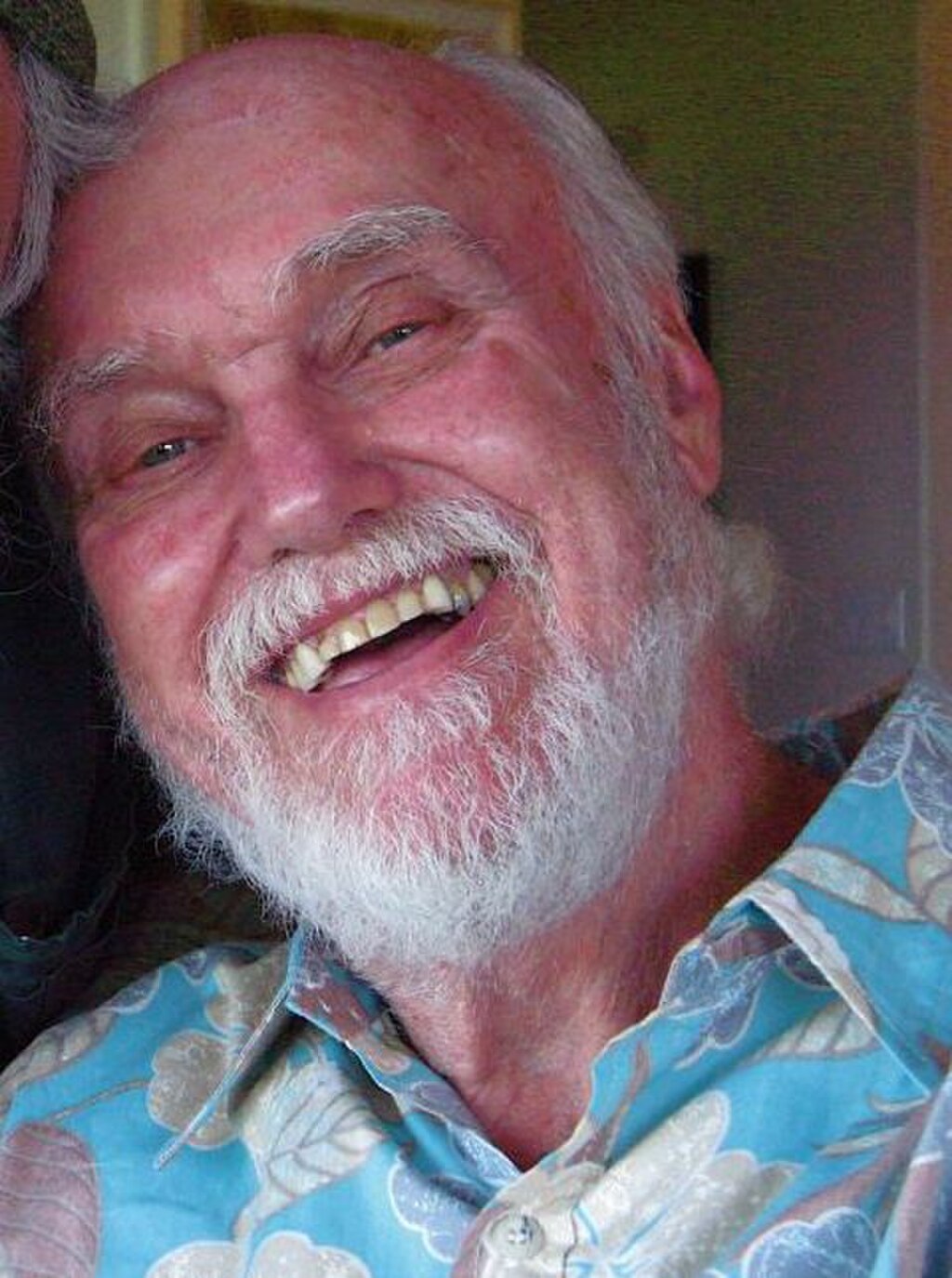
Finding Stillness in the Heart Amidst the Busy Mind
Ram Dass's assertion that "the thinking mind is what is busy. You have to stay in your heart" invites us to explore the dichotomy between our incessant thoughts and the deeper wisdom of our emotional core. In a world that often prioritizes intellectual achievement and mental productivity, this quote serves as a gentle reminder of the importance of grounding ourselves in our heart space. It challenges us to recognize the distractions of our busy minds and to seek solace in the quieter, more profound aspects of our being.
In a society that glorifies constant activity and mental engagement, the call to "stay in your heart" resonates deeply. It suggests that true understanding and connection come not from the frenetic energy of our thoughts but from a place of emotional authenticity and compassion. This teaching is particularly relevant today, as many individuals grapple with anxiety, overwhelm, and the pressures of modern life. By turning our attention inward and cultivating a heart-centered awareness, we can navigate our experiences with greater clarity and peace.
The image / the metaphor
At first glance, Ram Dass's words evoke a vivid image of the mind as a bustling marketplace, filled with the noise of thoughts, worries, and distractions. The verb "busy" suggests a relentless activity that can often feel chaotic and overwhelming. In contrast, the heart is portrayed as a sanctuary, a place of stillness and warmth where one can find refuge from the clamor of the mind. This juxtaposition invites us to visualize the heart as a nurturing space, a source of wisdom that exists beyond the incessant chatter of our thoughts.
Diving deeper into the metaphor, we can see that the heart represents not only our emotional center but also our capacity for love, compassion, and connection. Staying in the heart implies a conscious choice to engage with life from a place of empathy and understanding rather than from the often self-centered perspective of the mind. This shift in focus encourages us to cultivate a sense of presence and awareness that transcends the limitations of our thinking, allowing us to experience life more fully and authentically.
In the speaker's tradition
Ram Dass's teachings are deeply rooted in the Hindu tradition, where the heart is often associated with the concept of bhakti, or devotion. Bhakti emphasizes the importance of love and surrender to a higher power, encouraging practitioners to connect with their inner selves and the divine through heartfelt devotion. This aligns with the idea that the heart serves as a bridge to spiritual understanding, allowing us to transcend the limitations of the mind and access deeper truths about ourselves and the universe.
In the context of Hindu philosophy, the notion of staying in the heart can also be linked to the concept of prajna, or wisdom, which arises from direct experience rather than intellectual reasoning. Texts such as the Bhagavad Gita emphasize the importance of aligning one's actions with the heart's wisdom, suggesting that true knowledge comes from a place of inner stillness and connection. By grounding ourselves in the heart, we can cultivate a deeper understanding of our dharma, or life purpose, and navigate our paths with greater clarity and intention.
Living the teaching
Consider a modern scenario where this teaching can be applied: imagine a busy professional overwhelmed by deadlines and responsibilities. In the midst of this chaos, the mind races with thoughts of what needs to be accomplished, leading to stress and anxiety. By consciously choosing to take a moment to breathe and connect with the heart, this individual can shift their focus from the relentless demands of the mind to a place of calm and clarity. This practice of grounding oneself in the heart can transform the experience of stress into an opportunity for mindfulness and self-compassion.
In the realm of relationships, staying in the heart can profoundly impact how we interact with others. During a difficult conversation, it is easy to become entangled in our thoughts, defensiveness, or the desire to be right. However, by anchoring ourselves in the heart, we can approach the dialogue with empathy and understanding, allowing for a more authentic connection. This heart-centered approach fosters deeper communication and can lead to resolutions that honor both parties' feelings and perspectives.
A reflection
As we contemplate Ram Dass's wisdom, we are invited to explore the question: How can I cultivate a deeper connection with my heart amidst the busyness of my mind? This inquiry encourages us to reflect on our daily practices and the ways we can integrate moments of stillness and presence into our lives. By embracing this journey inward, we may discover the profound peace and clarity that resides within, guiding us through the complexities of our existence.