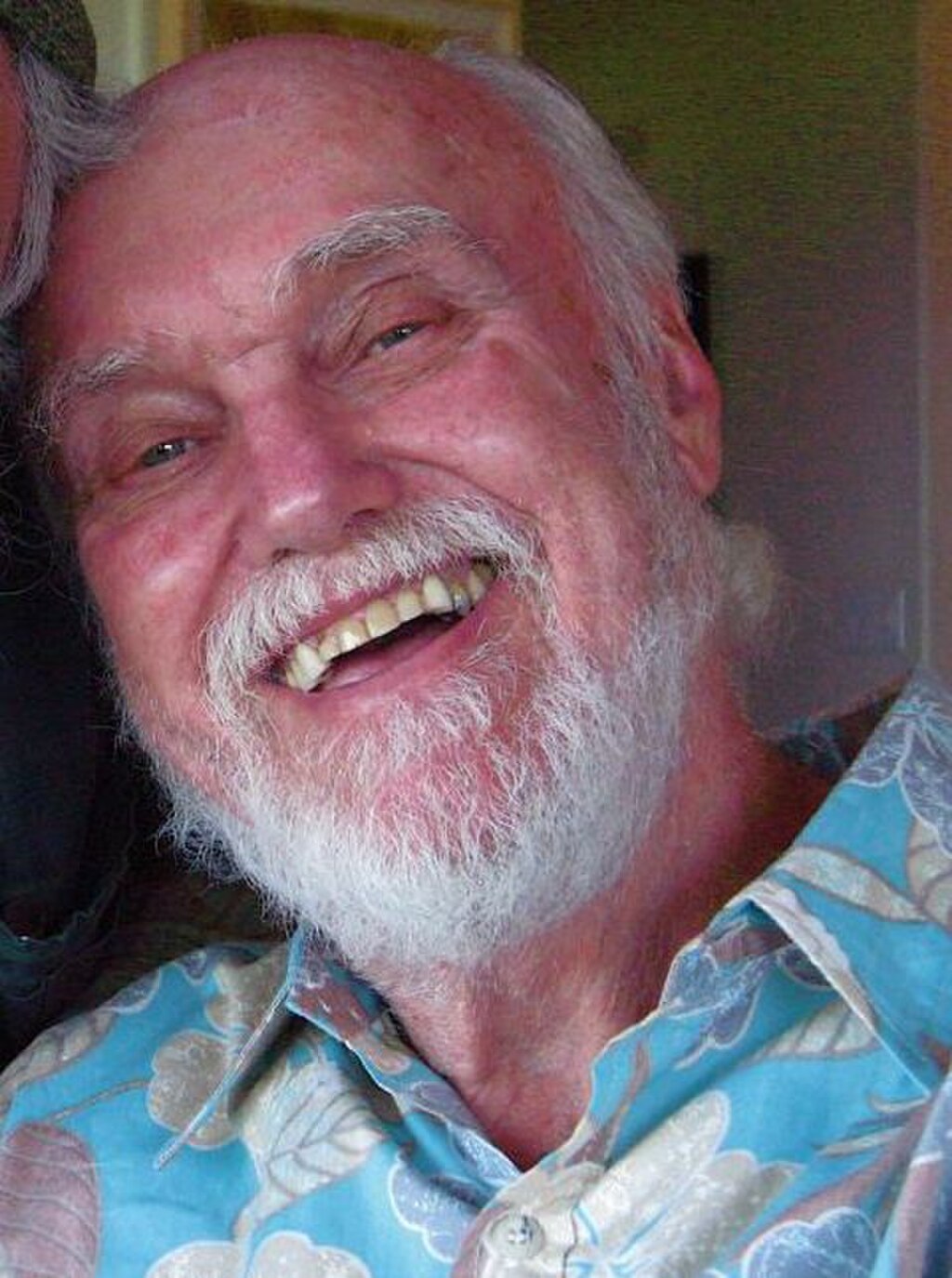
The Witness Within: Observing Life's Play
In the words of Ram Dass, "The witness is just there, watching the show." This profound statement invites us to explore the nature of our consciousness and the role of the observer within our lives. It suggests a detachment from the chaos of existence, encouraging us to adopt a perspective that allows us to witness our experiences without becoming entangled in them. Understanding this concept is essential for cultivating inner peace and clarity in a world that often feels overwhelming.
To delve deeper into this idea, we must recognize that the "show" refers to the myriad experiences, emotions, and events that unfold in our lives. The witness, in contrast, represents a deeper aspect of our being—an observer that remains constant and unchanging amidst the fluctuations of life. This distinction between the witness and the experiences we encounter is crucial for personal growth and spiritual development, as it allows us to navigate our lives with greater awareness and intention.
The image / the metaphor
The imagery in Ram Dass's quote evokes a theater, where life unfolds like a grand performance. The witness, akin to an audience member, observes the actors on stage—the myriad thoughts, feelings, and events that comprise our daily existence. The choice of the verb "watching" suggests a passive yet engaged presence, one that does not interfere with the unfolding drama but instead allows it to play out in its entirety. This perspective fosters a sense of spaciousness, enabling us to step back and observe our lives without judgment or attachment.
Diving deeper into the metaphor, we can see that the witness embodies a state of awareness that transcends the roles we play in our lives. Just as an audience member may feel a range of emotions while watching a play—joy, sorrow, excitement—the witness observes these emotions without becoming them. This detachment is not about apathy; rather, it is an invitation to experience life fully while maintaining a sense of inner peace and clarity. By cultivating this witness perspective, we can navigate the complexities of our existence with greater ease and understanding.
In the speaker's tradition
Ram Dass's teachings are deeply rooted in Hindu philosophy, particularly the concepts of dharma and bhakti. Dharma refers to the natural order of the universe and our individual paths within it, while bhakti emphasizes devotion and surrender to a higher power. The witness, in this context, can be seen as the aspect of ourselves that aligns with our dharma, observing our actions and choices without attachment to the outcomes. This perspective encourages us to live authentically and with purpose, recognizing that we are part of a larger cosmic play.
In the Bhagavad Gita, a foundational text in Hindu philosophy, the idea of the witness is echoed in the concept of "samatva," or equanimity. Krishna advises Arjuna to perform his duty without attachment to the fruits of his actions, embodying the witness who observes the battlefield without being consumed by it. This teaching reinforces the importance of maintaining a balanced perspective, allowing us to engage fully in life while remaining anchored in our true selves.
Living the teaching
Consider a modern scenario where this teaching can be applied: a challenging day at work filled with stress and conflict. Instead of becoming overwhelmed by the chaos, one can adopt the witness perspective, observing the unfolding events without becoming emotionally entangled. By recognizing that these experiences are part of the "show," we can respond with greater clarity and composure, allowing us to navigate the situation with wisdom rather than reactivity.
This teaching can also be applied in personal relationships, particularly during moments of conflict or misunderstanding. By stepping back and embodying the witness, we can observe our thoughts and emotions without immediately reacting. This practice fosters empathy and understanding, allowing us to communicate more effectively and compassionately. In daily life, cultivating the witness perspective can transform our interactions, enabling us to approach challenges with a sense of calm and clarity.
A reflection
As we contemplate Ram Dass's words, we are invited to explore the nature of our own witnessing consciousness. How often do we find ourselves caught up in the drama of our lives, forgetting the observer within? In moments of stress or turmoil, we can ask ourselves: "What would it be like to simply watch this unfold, without judgment or attachment?" This question encourages us to cultivate the witness within, fostering a deeper understanding of ourselves and our experiences.