Suspended Between Hope and Fear: The Stoic Dance of the Soul
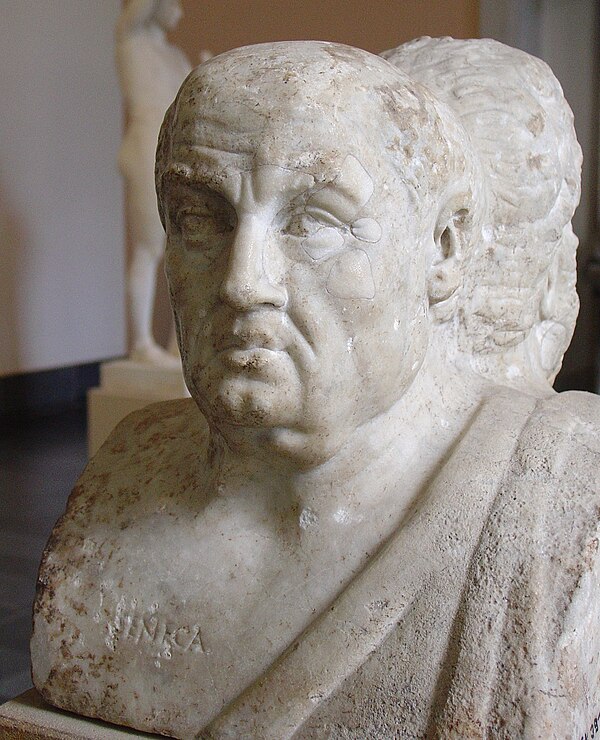
Seneca's poignant observation that "both hope and fear belong to a soul hanging in suspense" invites us to reflect on the delicate balance of our emotional states. In this brief yet profound statement, he encapsulates the human experience of living in uncertainty, where the mind oscillates between the allure of future possibilities and the dread of potential pitfalls. This tension is not merely a philosophical musing; it speaks to the very essence of our existence, urging us to confront the dualities that shape our lives.
In a world often characterized by rapid change and unpredictability, Seneca's words resonate deeply. They remind us that hope and fear are not just opposing forces but are intertwined aspects of our consciousness. To dwell in this state of suspense is to acknowledge our vulnerability and the inherent unpredictability of life. It compels us to examine how we navigate our aspirations and anxieties, ultimately leading us to a more profound understanding of our present moment.
The image / the metaphor
At first glance, the imagery of a soul "hanging in suspense" evokes a vivid picture of tension and uncertainty. The verbs "hope" and "fear" suggest a dynamic interplay, where one can easily tip the balance of the soul's state. This metaphorical suspension captures the essence of human experience—caught between what we desire and what we dread. It is a state of liminality, where the soul is neither fully anchored in the present nor entirely liberated from the future's possibilities.
Diving deeper into this metaphor, we can see that the act of hanging implies a certain fragility. The soul, suspended, is vulnerable to external forces that can sway it toward hope or fear. This precariousness reflects the Stoic understanding of emotions as responses to our judgments about external events. In this light, hope and fear become not just feelings but also reflections of our perceptions and beliefs about what lies ahead, urging us to cultivate a more grounded presence in the here and now.
In the speaker's tradition
Seneca's insights are firmly rooted in the Stoic tradition, which emphasizes the importance of rationality and self-control in the face of life's uncertainties. Central to Stoicism is the concept of apatheia, a state of being where one is not swayed by passions or emotions but instead maintains a clear and rational mind. This aligns with the idea that hope and fear can cloud our judgment, leading us to react impulsively rather than thoughtfully. In this sense, the Stoic path encourages us to cultivate a sense of inner peace that transcends the dualities of hope and fear.
Moreover, Seneca's reflections can be compared to the Buddhist concept of sunyata, or emptiness, which teaches that our attachments to outcomes—whether hopeful or fearful—create suffering. Both traditions advocate for a mindful awareness of our emotional states, urging us to recognize that our thoughts about the future can often lead us astray. In this way, Seneca's wisdom serves as a bridge between Stoicism and other contemplative traditions, highlighting the universal struggle of the human condition.
Living the teaching
Consider a modern scenario where this teaching finds relevance: a job seeker anxiously awaiting news about a potential offer. In this state of suspense, the individual may oscillate between hope for a positive outcome and fear of rejection. This emotional turmoil can lead to distraction, anxiety, and a diminished capacity to engage fully in the present moment. By recognizing this oscillation, the seeker can practice grounding techniques, such as mindfulness or deep breathing, to anchor themselves in the present, allowing them to navigate their emotions with greater clarity and composure.
In relationships, the teachings of Seneca can also illuminate the complexities of emotional engagement. Imagine a couple facing uncertainty about their future together. One partner may cling to hope for a shared life, while the other may be gripped by fear of potential separation. This dynamic can create tension and misunderstandings. By embracing Seneca's wisdom, both partners can learn to communicate openly about their fears and hopes, fostering a deeper connection that transcends the dualities of their emotional states. In doing so, they cultivate a shared presence that honors both their aspirations and anxieties.
A reflection
As we contemplate Seneca's assertion that "both hope and fear belong to a soul hanging in suspense," we are invited to examine our own lives. In what areas do we find ourselves suspended between hope and fear? This contemplation encourages us to explore how we can cultivate a more grounded presence, allowing us to navigate the complexities of our emotions with grace and wisdom. By embracing the present moment, we can learn to transform our suspensions into opportunities for growth and understanding.