Charting the Course of Purpose
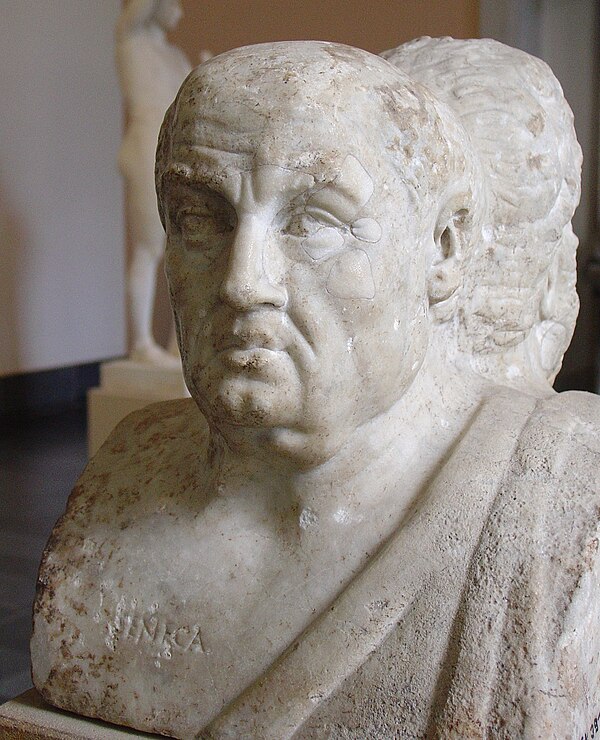
Seneca's assertion, "If a man knows not to which port he sails, no wind is favorable," encapsulates a profound truth about the necessity of purpose in our lives. Without a clear destination, even the most favorable circumstances can feel futile, leaving us adrift in a sea of uncertainty. This quote serves as a reminder that clarity of intention is essential for meaningful action and fulfillment. In a world filled with distractions and competing priorities, understanding our personal 'port' can illuminate our path and guide our decisions.
In a deeper sense, Seneca's words challenge us to reflect on the nature of our aspirations and the clarity with which we pursue them. The metaphor of sailing evokes not only the journey itself but also the inherent unpredictability of life. Just as a sailor must navigate changing winds and tides, we too must adapt to the circumstances we encounter. Yet, without a defined purpose, we risk becoming passive participants in our own lives, allowing external forces to dictate our direction. This contemplation invites us to consider how we can cultivate a sense of purpose that steers us toward our true aspirations.
The image / the metaphor
At its core, Seneca's metaphor of sailing speaks to the interplay between intention and circumstance. The imagery of a ship at sea conjures feelings of adventure, exploration, and the vast unknown. The verbs "knows" and "sails" imply an active engagement with one's journey, suggesting that awareness and action are intertwined. The phrase "no wind is favorable" starkly illustrates the futility of effort without direction; even the most favorable conditions become irrelevant if one lacks a clear destination. This vivid imagery resonates with anyone who has felt the disorientation of pursuing goals without a guiding compass.
Diving deeper into the metaphor, we can see that the act of sailing itself is a dynamic process, requiring skill, adaptability, and resilience. The winds represent the external forces we encounter—opportunities, challenges, and obstacles—that can either propel us forward or hinder our progress. However, if we remain uncertain about our destination, we may find ourselves at the mercy of these forces, drifting aimlessly rather than navigating purposefully. This metaphor serves as a powerful reminder that our internal compass—our values, beliefs, and aspirations—must be firmly established to harness the winds of life effectively.
In the speaker's tradition
Seneca's insights are deeply rooted in Stoic philosophy, which emphasizes the importance of virtue, reason, and self-awareness in the pursuit of a meaningful life. Central to Stoicism is the concept of 'dharma,' or one's duty and purpose in life, which aligns closely with Seneca's call for clarity in direction. Just as the Stoics believed in aligning one's actions with nature and reason, Seneca urges us to align our pursuits with our true intentions. This alignment fosters resilience and fortitude, enabling us to navigate life's challenges with grace and purpose.
In his work "Letters from a Stoic," Seneca often reflects on the importance of self-examination and the cultivation of wisdom. He writes about the necessity of understanding oneself to make informed choices that resonate with one's values. This echoes the teachings found in other philosophical traditions, such as the Buddhist concept of 'prajna,' or wisdom, which emphasizes insight into the nature of reality and the self. Both traditions encourage a deep inquiry into our motivations and desires, urging us to clarify our purpose to navigate life's complexities effectively.
Living the teaching
Consider a modern scenario where this teaching resonates: a young professional embarking on a career path. Without a clear understanding of what they truly want—be it financial success, personal fulfillment, or a desire to make a difference—they may find themselves accepting opportunities that do not align with their values. As a result, they may experience dissatisfaction and burnout, feeling as though they are merely drifting through their career. By taking the time to reflect on their aspirations and defining their 'port,' they can make choices that lead to a more fulfilling and purposeful career journey.
In relationships, this teaching can also manifest profoundly. Imagine a couple facing challenges in their partnership. If they lack clarity about their shared goals and values, they may find themselves in conflict, reacting to each other's actions without a sense of direction. However, by engaging in open dialogue about their intentions and aspirations, they can navigate their relationship with greater understanding and purpose. This clarity fosters a deeper connection, allowing them to weather storms together rather than drifting apart.
A reflection
As we contemplate Seneca's wisdom, we are invited to ask ourselves: What is my true destination in life, and how can I cultivate clarity around it? This question encourages a deep exploration of our values, desires, and the intentions that guide our actions. By reflecting on our personal 'port,' we can begin to align our choices with our aspirations, harnessing the winds of life to navigate our unique journeys with purpose and intention.