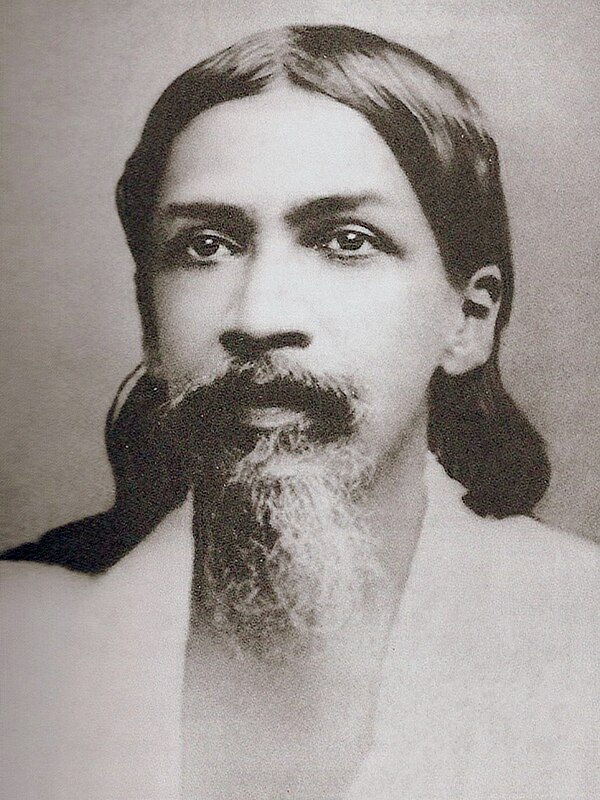
Becoming the Willing Instrument of the Divine
In the profound words of Sri Aurobindo, "It is the Divine that does the work; you have only to be the willing instrument." This statement invites us to reflect on the nature of our agency and the role of the Divine in our lives. It suggests that our efforts, while significant, are ultimately part of a larger cosmic orchestration, where surrender and willingness become the keys to true effectiveness. Understanding this dynamic can transform our approach to both personal and collective endeavors, allowing us to align ourselves with a higher purpose.
To delve deeper, we must consider the implications of being a "willing instrument." This phrase evokes a sense of humility and openness, emphasizing that our actions are not solely driven by personal ambition but are instead expressions of a greater force at work. In a world often dominated by the illusion of control and self-sufficiency, Aurobindo's insight serves as a gentle reminder that surrendering to the Divine can lead to a more profound and meaningful existence. It invites us to explore how we might cultivate this willingness in our daily lives.
The image / the metaphor
At its core, the quote paints a vivid picture of the relationship between the Divine and the individual. The term "instrument" conjures images of a musical tool, one that produces sound only when played by a skilled musician. Here, the Divine is the musician, and we, as instruments, must be finely tuned and ready to respond. The active verb "does" implies that the Divine is continuously engaged in the world, working through us when we allow ourselves to be conduits of its energy and intention.
Digging deeper into this metaphor, we can see that being a willing instrument requires both preparation and surrender. Just as a musician must practice to master their instrument, we too must cultivate qualities such as mindfulness, compassion, and openness to become effective channels for the Divine. This process of tuning ourselves involves letting go of ego-driven desires and embracing a state of receptivity, allowing the Divine to express itself through our actions and choices.
In the speaker's tradition
Sri Aurobindo's teachings are deeply rooted in the Hindu tradition, where concepts such as dharma and bhakti play crucial roles. Dharma, or one's duty, emphasizes the importance of aligning our actions with a higher moral order, while bhakti, or devotion, highlights the significance of surrendering to the Divine will. In this context, being a willing instrument is not merely about passive acceptance; it is an active engagement with our dharma, guided by a heartfelt devotion to the Divine.
In his work "Letters on Yoga," Aurobindo elaborates on the transformative power of surrender. He draws parallels with the concept of kenosis, found in various spiritual traditions, which refers to the self-emptying of one's will to allow for the Divine to fill that space. This idea resonates with the Buddhist notion of sunyata, or emptiness, where letting go of the self leads to a deeper connection with the universe. By embracing these teachings, we can better understand the profound depth of Aurobindo's message.
Living the teaching
Consider a modern scenario where this teaching might resonate: a professional facing a challenging project at work. The pressure to succeed can often lead to a sense of isolation and self-reliance. However, by adopting the mindset of being a willing instrument, one can shift from a place of anxiety to one of collaboration and openness. This approach invites the individual to trust in the process, allowing the Divine to guide their efforts, leading to more innovative solutions and a sense of peace amidst the chaos.
Another application of this teaching can be found in personal relationships. Imagine navigating a conflict with a loved one; the instinct may be to assert one's viewpoint forcefully. However, by embodying the role of a willing instrument, one can approach the situation with humility and a desire to understand the other person's perspective. This shift not only fosters deeper connections but also allows for the possibility of healing and reconciliation, demonstrating the transformative power of surrender in our interactions.
A reflection
As we contemplate Sri Aurobindo's profound insight, we are invited to ask ourselves: In what areas of my life can I surrender my ego and become a willing instrument for the Divine? This question encourages a deep exploration of our motivations and actions, prompting us to consider how we might align ourselves more closely with a higher purpose. By reflecting on this inquiry, we can begin to cultivate a life that is not only meaningful but also deeply connected to the Divine flow that surrounds us.