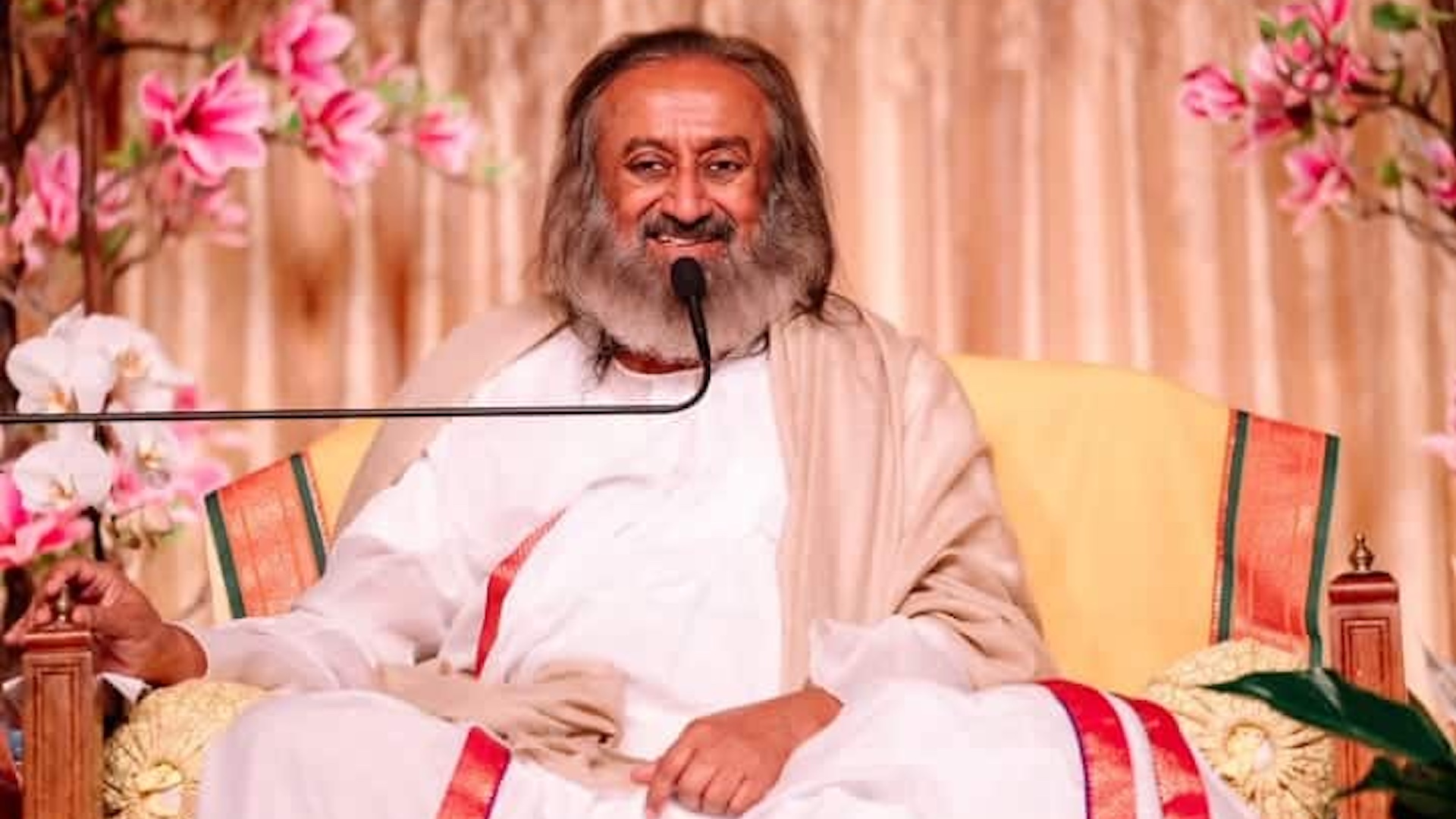
Embracing the Body: A Dance of Honor and Detachment
Sri Sri Ravi Shankar's quote, "Honor the body, but don't be obsessed with it," invites us into a profound exploration of our relationship with the physical form. In a world increasingly fixated on appearances and bodily perfection, this wisdom serves as a gentle reminder of the balance we must strike. It emphasizes the importance of respecting our bodies as vessels of experience while cautioning against the pitfalls of obsession that can lead to suffering and discontent. Understanding this balance is essential for cultivating a holistic sense of well-being.
At its core, this teaching encourages us to appreciate the body not merely as an object to be adorned or scrutinized, but as a sacred aspect of our existence that deserves care and reverence. The stakes are high; when we become overly attached to our physical selves, we risk losing sight of the deeper aspects of our being. This quote challenges us to engage with our bodies in a way that honors their needs and capabilities, while simultaneously liberating ourselves from the societal pressures that often dictate our self-worth.
The image / the metaphor
The imagery in Sri Sri Ravi Shankar's words evokes a sense of duality—honoring the body while maintaining a healthy distance from it. The verb "honor" suggests a respectful acknowledgment of the body’s role in our lives, recognizing it as a temple that houses our spirit and consciousness. In contrast, the term "obsessed" carries a weight of fixation that can lead to an unhealthy relationship with oneself. This juxtaposition creates a felt sense of balance, inviting us to nurture our physical selves without allowing them to dominate our identity.
Diving deeper into the metaphor, we can see the body as a garden that requires tending. To honor it is to cultivate it with care, ensuring it is nourished and healthy. However, obsession transforms this garden into a prison, where the gardener becomes so fixated on the flowers that they forget to enjoy the beauty of the entire landscape. This metaphor serves as a poignant reminder that while the body is important, it is not the entirety of who we are; it is merely one aspect of our multifaceted existence.
In the speaker's tradition
Within the framework of Sri Sri Ravi Shankar's teachings, this quote resonates with the concept of dharma, which emphasizes living in accordance with one's true nature and purpose. The body, in this context, is seen as a tool for fulfilling one's dharma, a means through which we can express our unique gifts and contribute to the world. By honoring the body, we align ourselves with our higher purpose, yet by becoming obsessed, we may stray from our true path, losing sight of the spiritual essence that transcends physical form.
Furthermore, this teaching echoes the principles found in texts such as the Bhagavad Gita, where the distinction between the eternal self (Atman) and the temporary physical body is made clear. In Chapter 2, Verse 13, Krishna speaks of the eternal nature of the soul, reminding us that while the body may change and decay, the essence of who we are remains untouched. This perspective encourages us to honor our bodies as part of our earthly journey while recognizing that our true identity lies beyond the physical realm.
Living the teaching
Consider a modern scenario where this teaching can be applied: a young professional caught in the relentless cycle of fitness trends and social media comparisons. Each day, they scrutinize their reflection, measuring their worth against the curated images of others. In this context, honoring the body might involve adopting a balanced approach to health—engaging in physical activity that brings joy rather than anxiety, and nourishing the body with wholesome foods without the weight of guilt. This shift allows for a healthier relationship with the body, one that fosters self-acceptance and joy.
In a different application, imagine a relationship where one partner is overly critical of their own appearance, leading to insecurities that affect their connection with their loved one. By embracing the teaching of honoring the body without obsession, they can cultivate a deeper sense of self-love and acceptance. This transformation not only enhances their self-esteem but also enriches the relationship, allowing both partners to appreciate each other beyond physical attributes, fostering a bond rooted in emotional and spiritual connection.
A reflection
As we contemplate Sri Sri Ravi Shankar's wisdom, we are invited to reflect on our own relationship with our bodies. Are we honoring our physical selves in a way that nurtures our spirit, or have we fallen into the trap of obsession? Consider this contemplative question: How can you cultivate a deeper appreciation for your body while releasing the need for perfection? This inquiry opens the door to a more compassionate and holistic understanding of ourselves, inviting us to honor the sacred dance between body and spirit.