Becoming Divine: The Path of True Worship
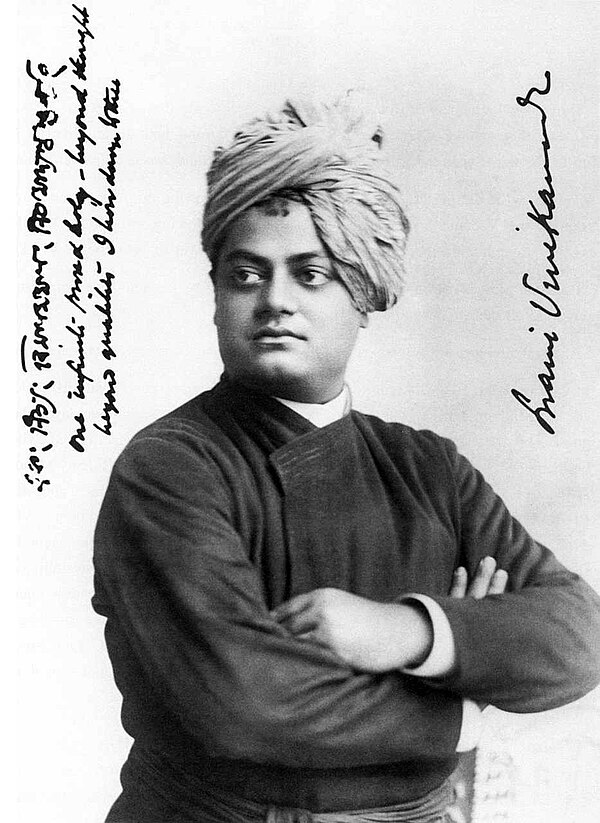
Swami Vivekananda's assertion that "Until you become god, you cannot worship Him. Anyone who worships him while remaining a man is a hypocrite" invites us to explore the profound transformation required in the act of worship. This statement challenges us to consider the depths of our spiritual practice and the authenticity of our devotion. It suggests that true worship transcends mere ritual; it demands a metamorphosis of the self into a higher state of being, one that aligns with the divine essence we seek to honor.
In a world often filled with superficial expressions of faith, Vivekananda's words resonate with a call for sincerity and depth. The essence of worship, as he articulates, is not found in external acts alone but in the internal journey toward divinity. This journey requires us to confront our limitations, to shed the ego, and to embrace a more expansive understanding of our nature. It is a radical invitation to transform our very being, to embody the qualities we revere in the divine, and to recognize that our spiritual aspirations must be matched by our inner evolution.
The image / the metaphor
At the heart of Vivekananda's quote lies a striking metaphor that juxtaposes the divine and the human. The imagery of becoming god suggests a profound transformation, one that requires shedding the limitations of our human condition. The verbs "become" and "worship" are laden with meaning; they imply an active, ongoing process rather than a static state. To "become" is to engage in a dynamic journey of growth, while "worship" is not merely an act of reverence but a holistic expression of one's entire being.
Diving deeper into this metaphor, we can see that Vivekananda is not advocating for a literal deification of the self but rather an alignment with the divine qualities that we often attribute to God—love, compassion, wisdom, and unity. This transformation is akin to the alchemical process of turning base metals into gold; it is a spiritual refinement that elevates our consciousness. The felt sense of this journey is one of liberation, where the burdens of ego and separation dissolve, allowing us to experience a profound connection with the divine and with all beings.
In the speaker's tradition
Swami Vivekananda's teachings are deeply rooted in the Hindu tradition, particularly in the concepts of bhakti and dharma. Bhakti, or devotion, emphasizes the importance of love and surrender to the divine, while dharma refers to the moral and ethical duties that guide one's life. In this context, Vivekananda's call to become divine is a call to fulfill one's dharma through the lens of devotion, suggesting that true worship is an expression of living in accordance with one's highest purpose.
Moreover, this idea resonates with the concept of kenosis, found in various spiritual traditions, which speaks to the self-emptying necessary for divine union. In the Bhagavad Gita, Krishna advises Arjuna to transcend his limited self and act from a place of higher consciousness, embodying the divine qualities he seeks to honor. This alignment with the divine is not merely aspirational; it is a practical path that invites us to engage with the world from a place of love and authenticity.
Living the teaching
Consider a modern scenario where this teaching might resonate: a person engaged in a daily meditation practice. Initially, they may approach meditation as a means to find peace or clarity, yet over time, they begin to realize that the true purpose of their practice is not just personal tranquility but a deeper connection to the divine within themselves and others. As they cultivate qualities such as compassion and patience during their practice, they find that their interactions with the world shift, reflecting the transformation that Vivekananda speaks of.
In a different application, think about a challenging relationship where misunderstandings and conflicts arise. By embodying the qualities of love and forgiveness—qualities that are often associated with the divine—one can transform the dynamic of the relationship. Instead of reacting from a place of hurt or anger, the individual can choose to respond with empathy and understanding, thereby engaging in a form of worship that honors both their own divinity and that of the other person. This practice of embodying divine qualities in our relationships is a living testament to Vivekananda's teaching.
A reflection
As we contemplate Swami Vivekananda's profound assertion, we are invited to reflect on our own spiritual journeys. Are we engaging in practices that merely fulfill our external obligations, or are we genuinely transforming ourselves in the process? In what ways can we embody the divine qualities we seek to honor in our worship? This contemplation invites us to consider the depth of our devotion and the sincerity of our transformation.