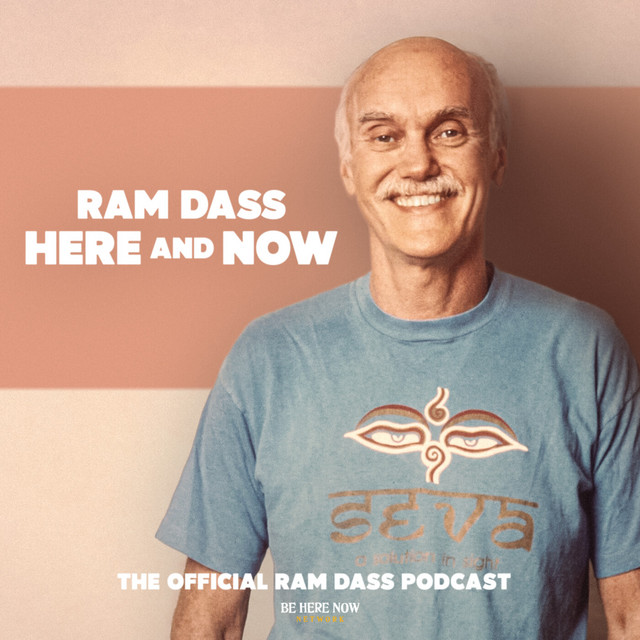
"Heart Takes Flight" is a collaborative kirtan piece by Ram Dass (keyboard, composition) and AWARÉ (vocals, arrangements) released in 2022, engineered in binaural Dolby Atmos spatial audio format. The track uses three-dimensional sound design to create an immersive devotional listening experience intended specifically for headphones, where vocal and instrumental elements move through space around the listener's head to deepen contemplative focus and emotional resonance.
What Is Binaural Dolby Atmos and Why Does It Matter for Kirtan?
Binaural Dolby Atmos technology records and reproduces sound in three dimensions—front, back, left, right, and height. Unlike stereo mixing, which places instruments left and right, spatial audio creates the illusion that sounds are moving around you in space. This is achieved by using head-related transfer functions (HRTF), which mimic how human ears perceive direction and distance. For kirtan—devotional call-and-response singing rooted in Hindu and Buddhist traditions—spatial audio adds a new layer to the listener's experience.
Kirtan traditionally creates intimacy and communal presence through live group singing. When translated to recording, a kirtan piece can feel distant or flat on conventional speakers. Binaural mixing, especially when engineered for headphones, recreates the sense of presence and surrounding devotion that makes live kirtan visceral. Voices and instruments can be positioned as if the listener is at the center of a three-dimensional soundscape, making the devotional focus more acute and embodied.
The Composition and Performers Behind "Heart Takes Flight"
"Heart Takes Flight" was composed by Ram Dass Khalsa (keyboards and drum programming), Bogdan Djukic (electric guitar and percussion), and Matías Da Via (vocals and arrangements). The track features:
- Matías Da Via on lead vocals, bringing clarity and devotional tone to the piece
- KJ Song providing background vocal layers that support and enrich the melodic texture
- Jared May on bass, anchoring the harmonic and rhythmic foundation
- Bogdan Djukic's electric guitar and percussion adding texture and movement
- Ram Dass Khalsa's keyboard work and drum programming providing the structural backbone
This is a full ensemble approach to kirtan composition, moving beyond the traditional call-and-response format into a more produced, arranged soundscape. The collaboration between these musicians suggests an intent to merge traditional devotional singing with contemporary production and spatial audio technology.
How Spatial Audio Changes the Devotional Experience
In a standard stereo mix, instruments occupy fixed left and right channels. A listener hears the piece as a two-dimensional field. Dolby Atmos introduces height channels and precise spatial positioning, so a vocal line might appear to move from left ear toward the center and upward, or percussion might create a sense of surrounding space. When heard on headphones with proper binaural encoding, this creates what audio engineers call "externalization"—the illusion that sound is coming from outside the head rather than inside it.
For contemplative practice, this spatial quality can anchor attention more effectively. Instead of a listener's mind wandering, the movement and positioning of sounds creates subtle anchors for focus. The heart-centered nature of kirtan—devotion as the gateway to transcendence—may be reinforced by sounds that seem to move through or around the chest area, or by vocal harmonies that create a sense of the listener being held within a field of devotional presence.
Technical Execution: McKay Garner's Dolby Atmos Mix
The binaural Dolby Atmos mix was engineered and mastered by McKay Garner, an audio engineer known for spatial audio work. Garner's role was to take the original recordings—captured and mixed by Ram Dass Khalsa at Siddha Sound—and translate them into the spatial format. This is a distinct creative process from traditional mixing. A Dolby Atmos mix requires decisions about object placement, movement paths, height positioning, and how sounds decay in space. Garner's work ensures the piece translates accurately when heard through headphones while remaining coherent on supported playback systems.
The note in the description—that "spatial detail and movement will not translate accurately on speakers"—is important. Dolby Atmos on stereo speakers reverts to a downmix, collapsing the height and spatial information into a conventional stereo field. The intended experience requires headphones, which preserve the binaural encoding and allow each ear to receive slightly different signal information, creating the illusion of three-dimensional space.
Where This Piece Sits in Contemporary Kirtan and Spiritual Music
"Heart Takes Flight" represents a contemporary approach to kirtan that honors traditional devotional singing while embracing modern production and technology. Rather than treating spatial audio as mere technical novelty, the artists seem to be asking: how can immersive sound design deepen contemplative experience? This aligns with a broader movement in spiritual music production where studio tools are used not for commercial polish alone, but for deepening the listener's access to their own heart and inner silence.
The title—"Heart Takes Flight"—suggests the piece explores themes of liberation, opening, or transcendence. The image of the heart taking flight resonates with bhakti yoga traditions, where the heart is understood as the seat of devotion and the gateway to unity consciousness. In this context, spatial audio becomes a metaphor: just as the heart expands beyond the individual body into universal love, the sound expands beyond the stereo field into a three-dimensional space that surrounds and contains the listener.
How to Listen for Maximum Impact
To experience "Heart Takes Flight" as intended, use high-quality closed-back headphones in a quiet space. Begin with several minutes of settling—allow your breathing to slow and your attention to move inward. As the piece unfolds, notice where sounds appear in space. Notice if certain voices or instruments seem to occupy the space around your heart or head. Rather than analyzing, allow the spatial movement to guide your attention. The piece is designed to support meditation or contemplative listening, so resist the urge to follow lyrics analytically; instead, let the tone, harmony, and spatial positioning work on the nervous system directly.
The piece is available on Apple Music, Tidal, Amazon Music, and Spotify, though the spatial audio experience is only fully realized through Dolby Atmos-capable playback systems or dedicated headphone rendering.
Where to Go from Here
If you connect with "Heart Takes Flight," explore other Ram Dass recordings and the broader catalogue of contemporary kirtan artists using spatial audio and immersive production. Research Dolby Atmos music to understand how other genres—jazz, electronic, ambient—are being reimagined in three dimensions. Consider how spatial audio might enhance your own meditation or listening practice. The intersection of ancient devotional traditions and modern audio technology suggests that sacredness itself may be timeless, and that tools of presence—whether breath, mantra, or immersive soundscapes—continually evolve to meet each generation's capacity for transcendence.